VIEW ON… – “It’s time to go” by Penelope

When I learnt 3 months ago that I would be coming to Cambodia as a volunteer with the Bayon School, I felt both excitement and apprehension; although this was not my first expatriation, this one already had a special taste.

Firstly because it is in Asia and I have already had the opportunity to discover a small part of this continent a few years ago. Memories that since then have never faded, quite the contrary. I never stop telling anyone who will listen to me that, one day, I will return.

Secondly – and this is the real value of this new adventure – because I am going there in a singular context; to work for an NGO in a field, which has motivated me since I started thinking about my future professional project, and in which I long to be involved. I have always tried to understand how our world works, how it finds its balance, how our societies are articulated, and especially what our differences are. Cultural, identity, social, I have always wondered about the importance of these differences and what they can teach us about others. I am convinced that it is vital to look around us in order to find the resources necessary for a more egalitarian world, for a balance conducive to change and progress. I also believe that it is by looking to others that we can look at who we are and who we want to be. 

My involvement with the Bayon School is a melting pot of all these questions that I take with me, and that guide my work on a day-to-day basis.

I am particularly interested in how communication can transmit notions of equality, social justice and civil rights. I wonder about the many tools we have to shine a light on what is happening elsewhere and to spread the word about social and humanitarian initiatives that do not always receive enough attention.

As I started working for Bayon whilst in France, I have had time to picture what my work and my life would be like here. My imagination fills my head with images, which I am eager to replace with real experiences. Projecting from a distance what our future home looks like is a rather singular experience and my initial apprehension is gradually replaced by the growing excitement of finally leaving.

I am finally going to be able to discover what the school looks like, to meet the team in person rather than from behind a computer screen, to visit the families and the children, to stop imagining their smiles but to be able to smile at them too, to admire the work of these women who cultivate the land, to taste the pastries of our budding chefs, to be able at last to be a part of what the whole team likes to call this large family of the Bayon school.
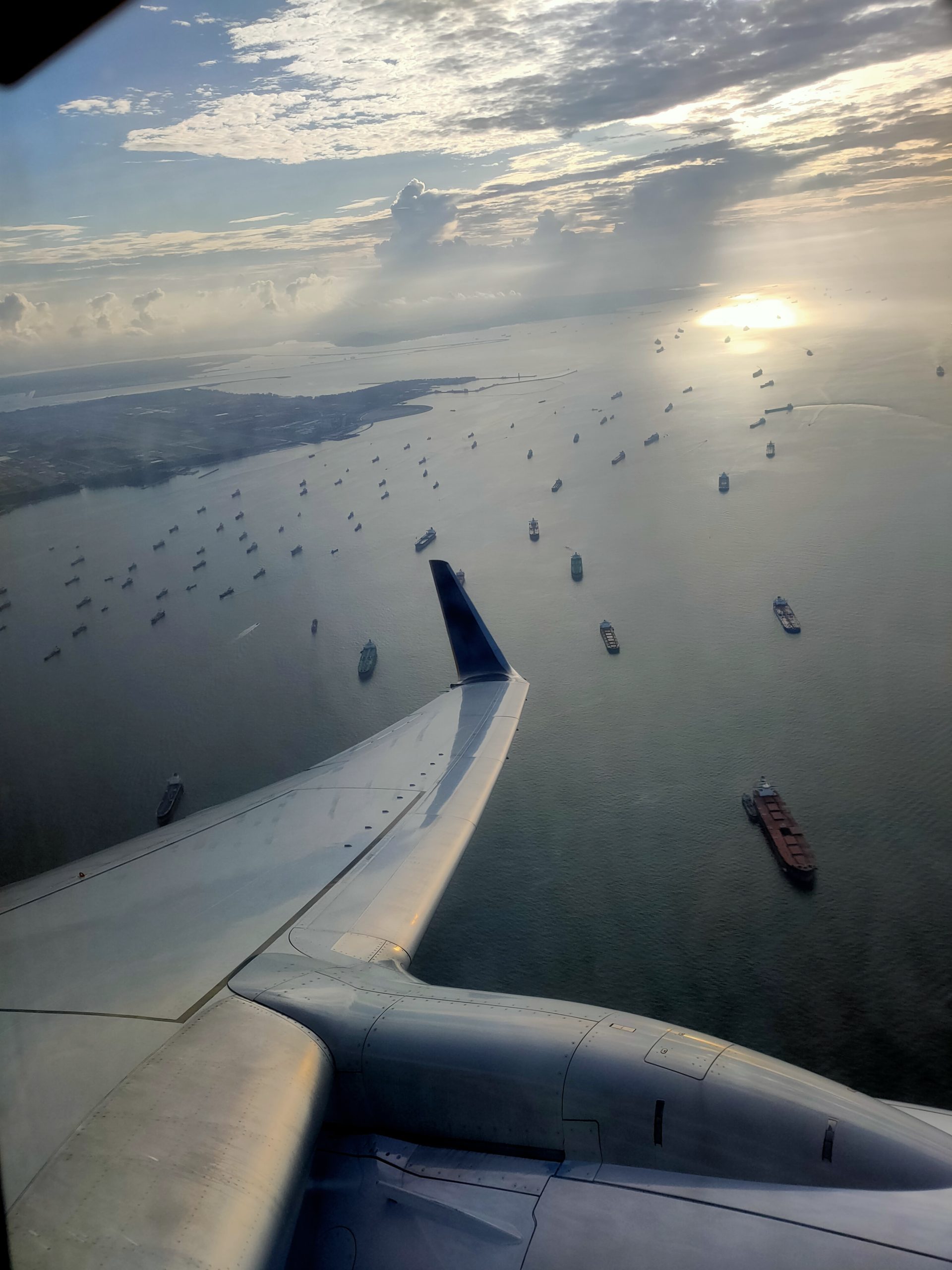
D-day, August 12th. With my PCR test being refused at the check-in counter, causing me cold sweats and a great deal of stress, my departure is chaotic and I have to run like mad to catch my plane. But here I am, finally in the plane, exhausted from the last days and goodbyes to my family and friends, but happy to finally take off to Cambodia


After 15 hours of flight, a short stopover in Singapore and 3 PCR tests to welcome me, I head to the hotel for the quarantine. Through the window of the bus, I rediscover the overwhelming, humid heat, the effervescence of scooters and tuk tuks in all directions, the street stalls of fruit and vegetables, the noise of horns and engines, and I have a hard time realizing that I have finally arrived.


Day 10. As I write this, it is August 23rd and I have been in quarantine now for 10 days. Only 4 more to go! Since I have been here, my work has become more meaningful and things have become more real. I am more aware of my role and the roles of everyone who assists our families. My commitment and motivation are growing and I cannot wait to be able to exchange and put all my ideas into action with the team on site.
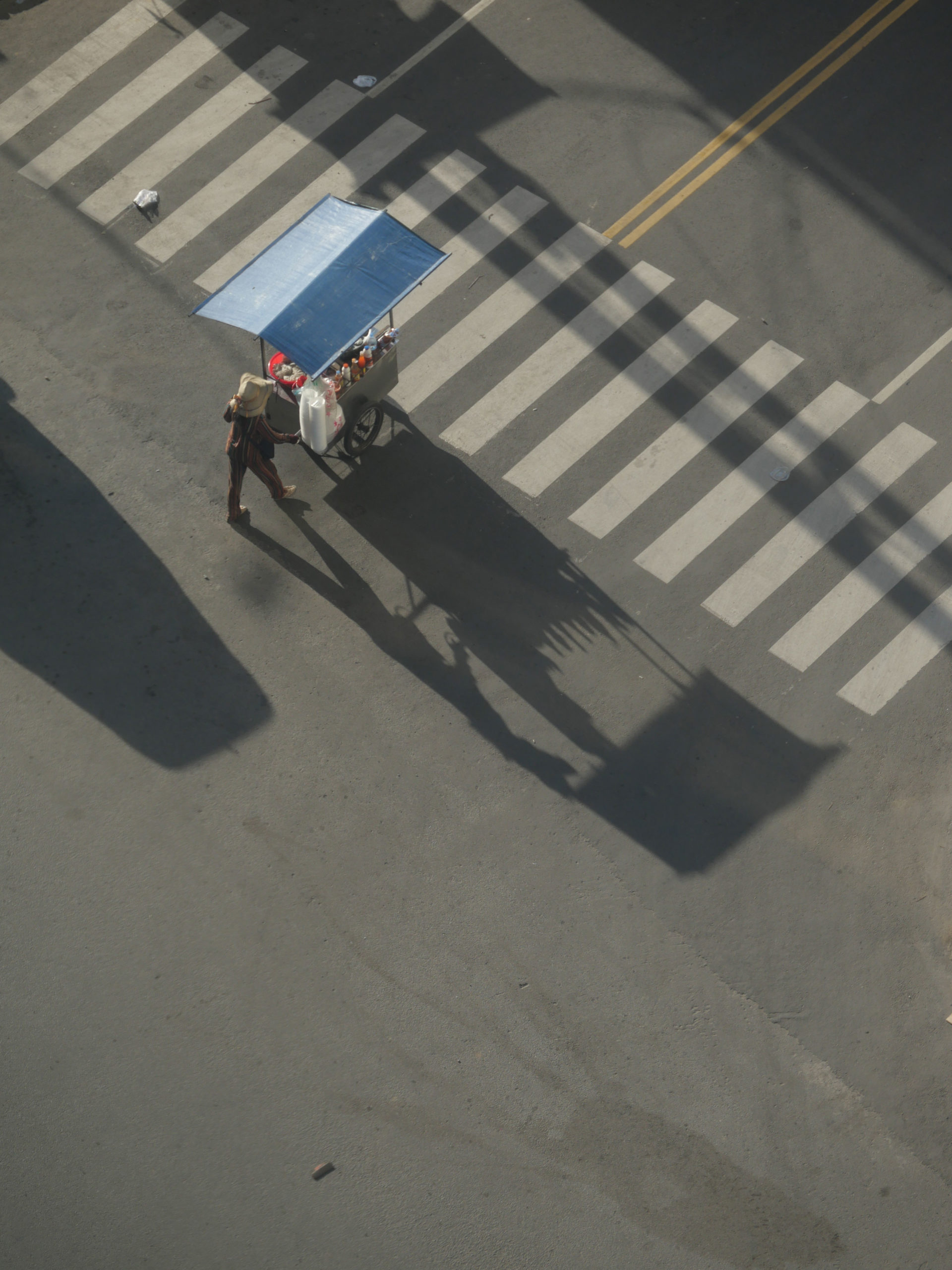
View from my quarantine window

I don’t really know what to expect or what this year will bring me. I am slowly letting myself be carried and guided by the energy I already feel here. I hope to be able to give my work and my commitment an even wider dimension than the one I already try to have every day. Firstly for them, the children for whom the Bayon School works relentlessly, by giving them my support and accompanying them as best I can through this precious learning experience that is school. Then a little for me, hoping to grow even more, because I already know that, of all my experiences abroad, this one will surely be the richest in emotions.

When you will read this text, I will already have been in Siem Reap for a few weeks, and I will take the time later to tell you how I feel, if the images in my head and those I share with you for the communication of the Bayon School are the same as those in real life.

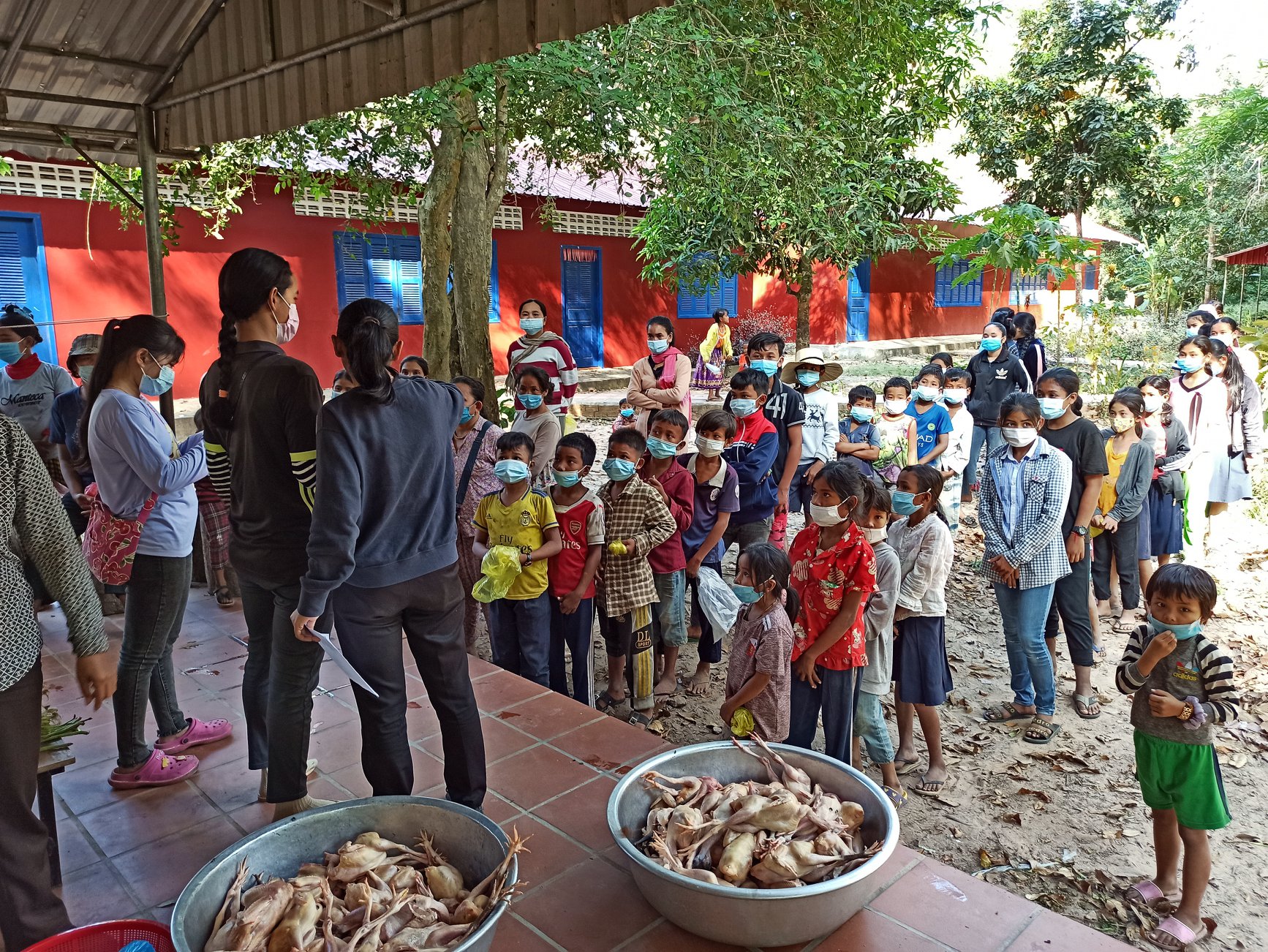
Emergency food baskets to face a growing crisis

Emergency food baskets to face a growing crisis

In March 2020, the COVID outbreak was spreading rapidly around the world and, one by one, countries were closing their borders in an attempt to stop the inevitable pandemic. Cambodia was no exception. On March 9, 2020, all schools in Cambodia closed and the country completely banned tourists from entering. The last foreigners in the country left the Kingdom and the country’s economy was severely affected.

Since September 2020, the situation in Cambodia had returned to a semblance of “normality”, but today the country has, once again, been hit hard by the COVID-19 outbreak. On March 21 2021, we had to close the doors of the primary school, the vocational training in Bakery/Pastry and now the one in Agroecology yet again. Our students were compelled to return home. Faced with the resurgence of COVID cases, measures have been tightened and the town of Siem Reap experienced its first two-week lockdown before regaining freedom, tempered by sanitary measures (curfew, social distancing…). However, schools are still waiting for a potential reopening.

While these initiatives are helping to curb the spread of the pandemic, they are also severely impacting the lives of our families and students. Usually fed twice a day at Elodie’s Canteen, the children rarely receive the same food rations at home, especially since the country has been completely emptied of tourists and a large number of Cambodians have lost their jobs for over a year now. An insidious consequence of this new interruption is the economic burden it represents for families who have already lost their main source of income.

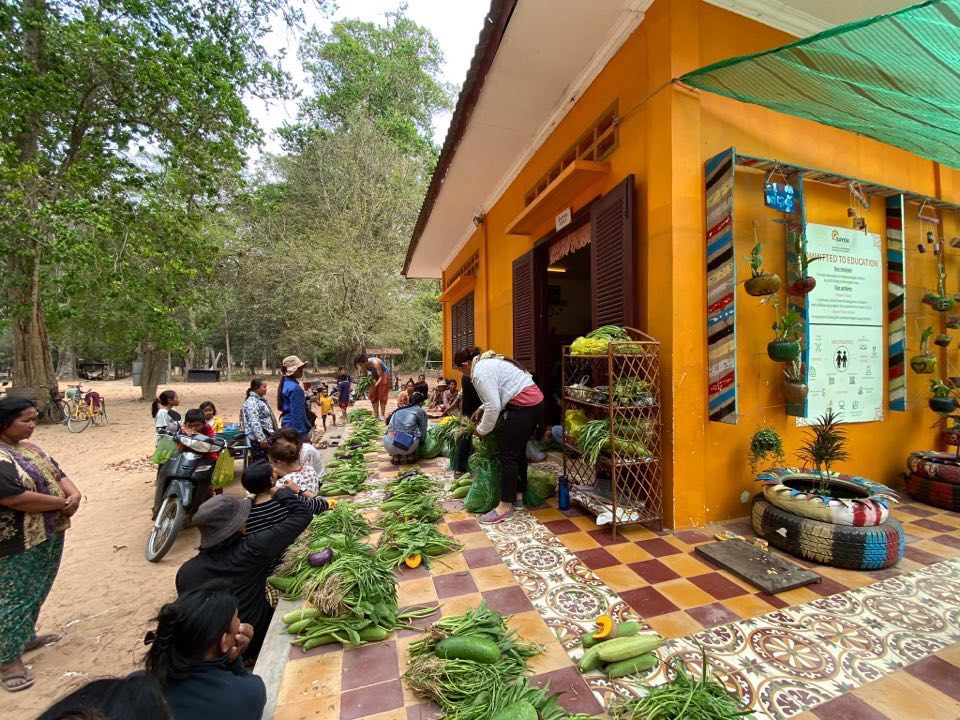
To mitigate the effects of the crisis on our beneficiaries, we had set up weekly food distributions as early as March 2020. The Bayon mobilized resources in order to buy back part of the vegetable production cultivated by the farms we support in the framework of the green farming program, in order to give them back, free of charge, each week to the families of our beneficiaries. This initiative amounted to no less than 300 kg of vegetables per week and allowed these hard-working women to continue generating an income, whilst providing a variety of food to the beneficiaries’ families. For those who had seen their living conditions deteriorate severely because of the crisis, bi-monthly distributions of rice were also carried out, the quantity of which was determined based on the number of people in the household.

Today, faced with a situation that persists and worsens every day, this assistance is no longer sufficient to ensure a decent diet for most of the families we support. This is why we have decided to reinforce the distribution of vegetables, to extend the distribution of rice to all our beneficiaries and to offer food supplements in the form of emergency meal baskets. At a minimum, this initiative will be maintained until the reopening of schools in order to relieve the families, who must now take charge of these additional meals.  It will also ensure that children always have the resources they need for their proper development.

Because healthy eating and family support are key factors in a child’s success in school, we will always strive to provide them with the means to feed themselves and live with dignity.

The Bayon School, from experience to learning

The Bayon School, from experience to learning

The floor is given to Romain, who has been in charge of the health and social project for more than a year and a half at the Bayon School, and whose adventure is ending today. He talks about his journey, his experience and what he has learned here in Cambodia.

After more than a year and a half at Bayon School, it is time for me to close this chapter and start a new one, with other projects in France.

It is with a heavy heart that I am writing these few words about my experience. And with sadness that I will leave this wonderful country! I will not see the schools open again, where the children – running, playing, shouting, laughing – are happy to be at school. Where these young women, studying for a better future, share moments of complicity, despite the language barrier. These are joyful memories, which date already from several months ago, but which I will cherish for many years to come. Then, because the Cambodians, who have suffered so terribly in the not-so-distant past and who are now facing a new crisis, have taught me so much about life, happiness, sadness… Always smiling, they overcome difficulties where many others would have already failed. Thanks to them, I look at the future with fresh eyes and a different way of thinking!

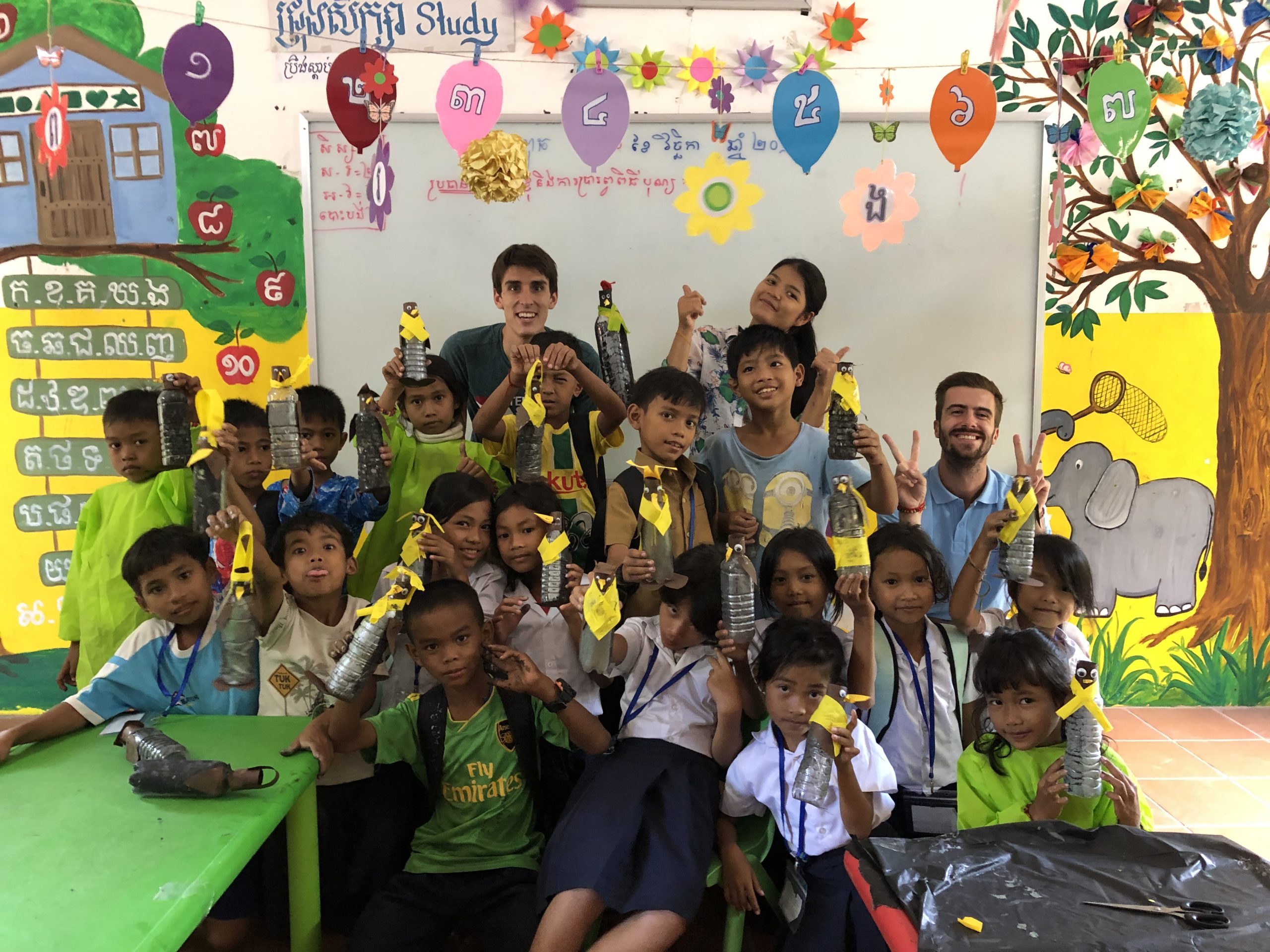
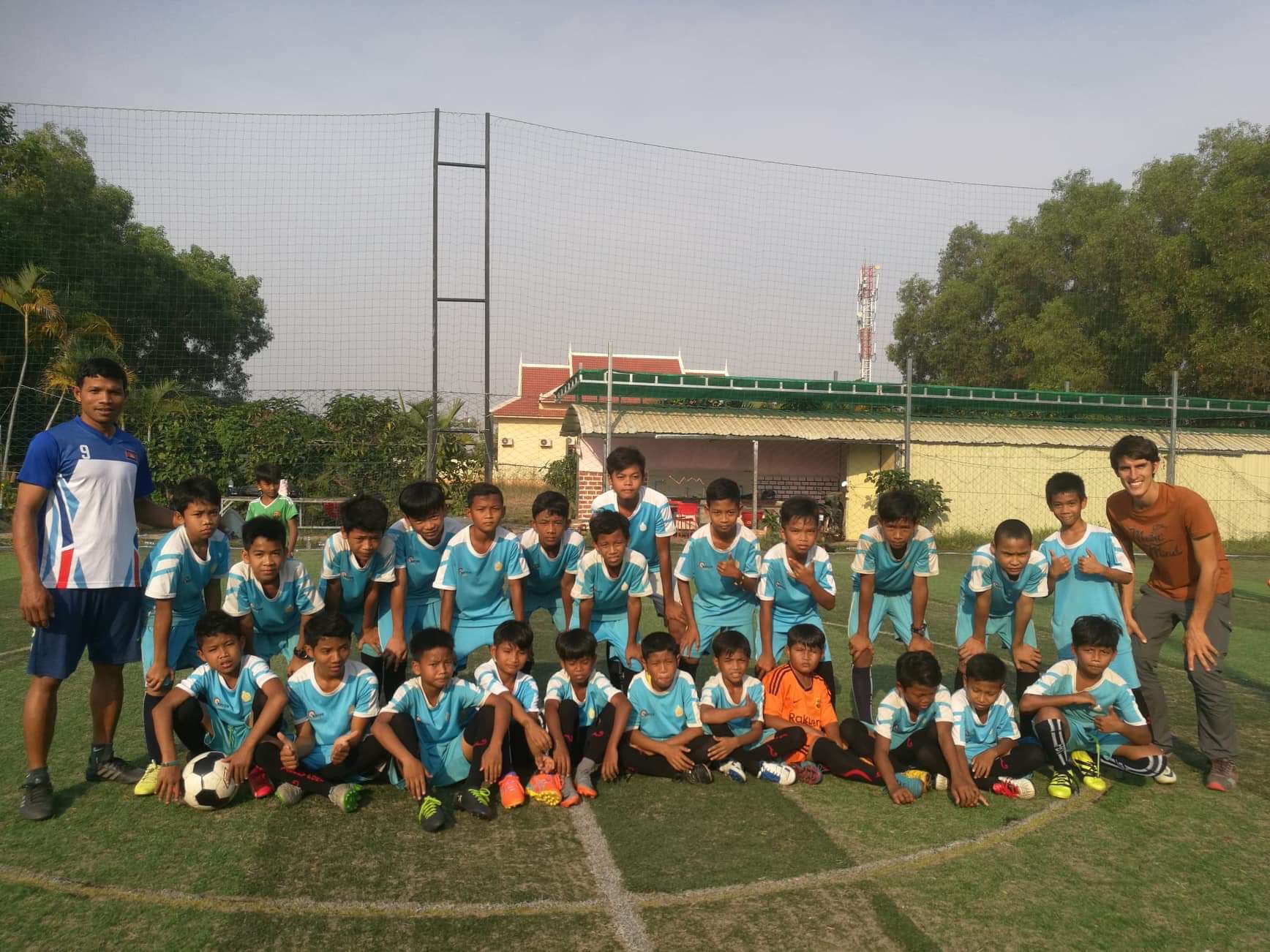
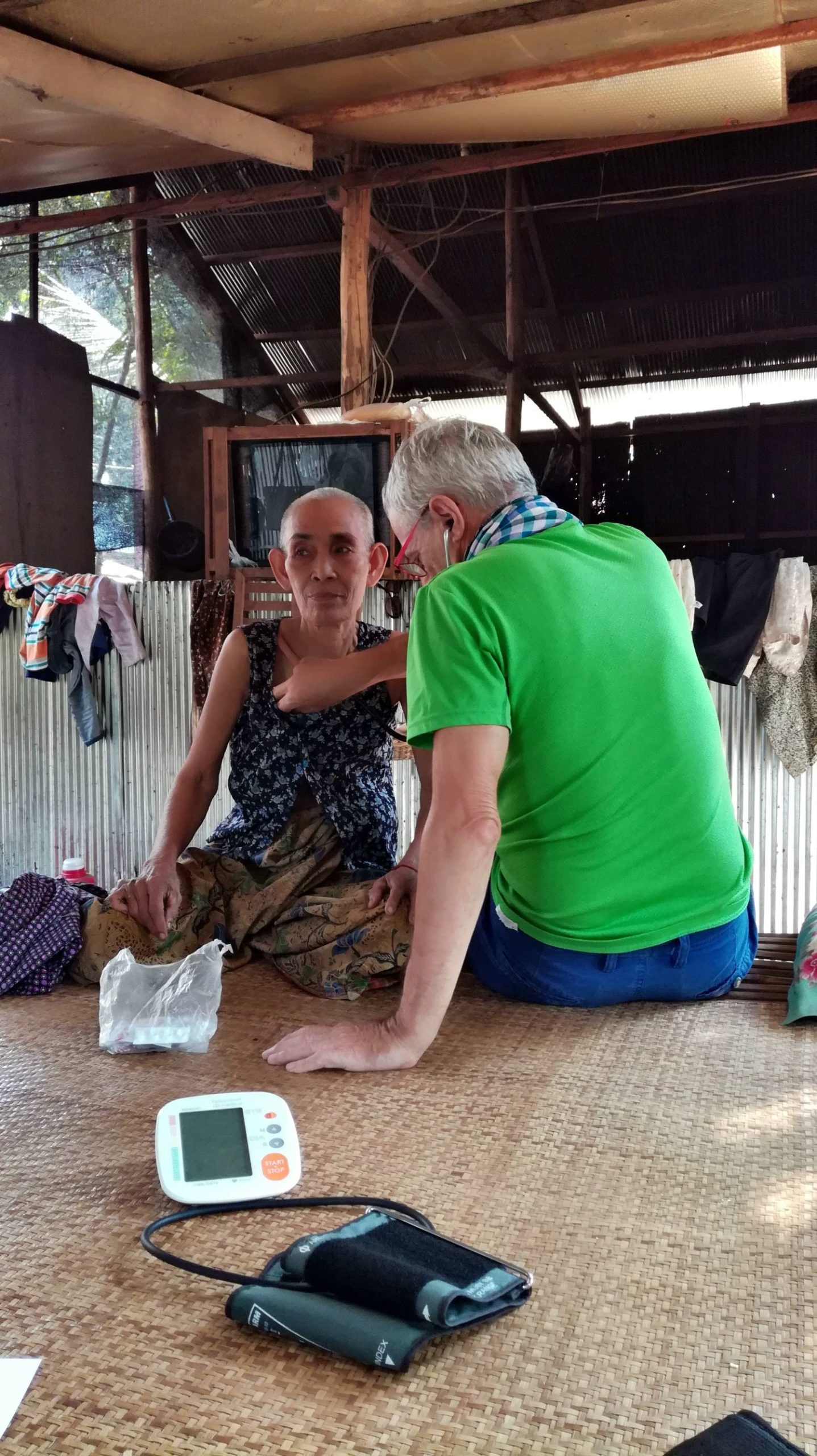
As Bayon School is an agile and reactive structure, I have been lucky to work on all the programs of the NGO. I started by carrying out a diagnosis of the health project and coordinating the sports and artistic activities at the primary school. I also worked closely with the social team, developing the new database which stores the beneficiaries’ social, health and education information. And finally, I was in charge of the cooperation project between BED and PSE Siem Reap. I have enjoyed working with all my colleagues – each one more involved than the other – who keep this beautiful story of Bayon School alive.

I am not saying that everything was easy. A new culture, and new working methods, far from the French way of thinking and from my first professional experience. I had to adapt, but what a great personal achievement. What a reward to see the realization of projects, which have been imagined, conceived and implemented side-by-side with the Cambodians.

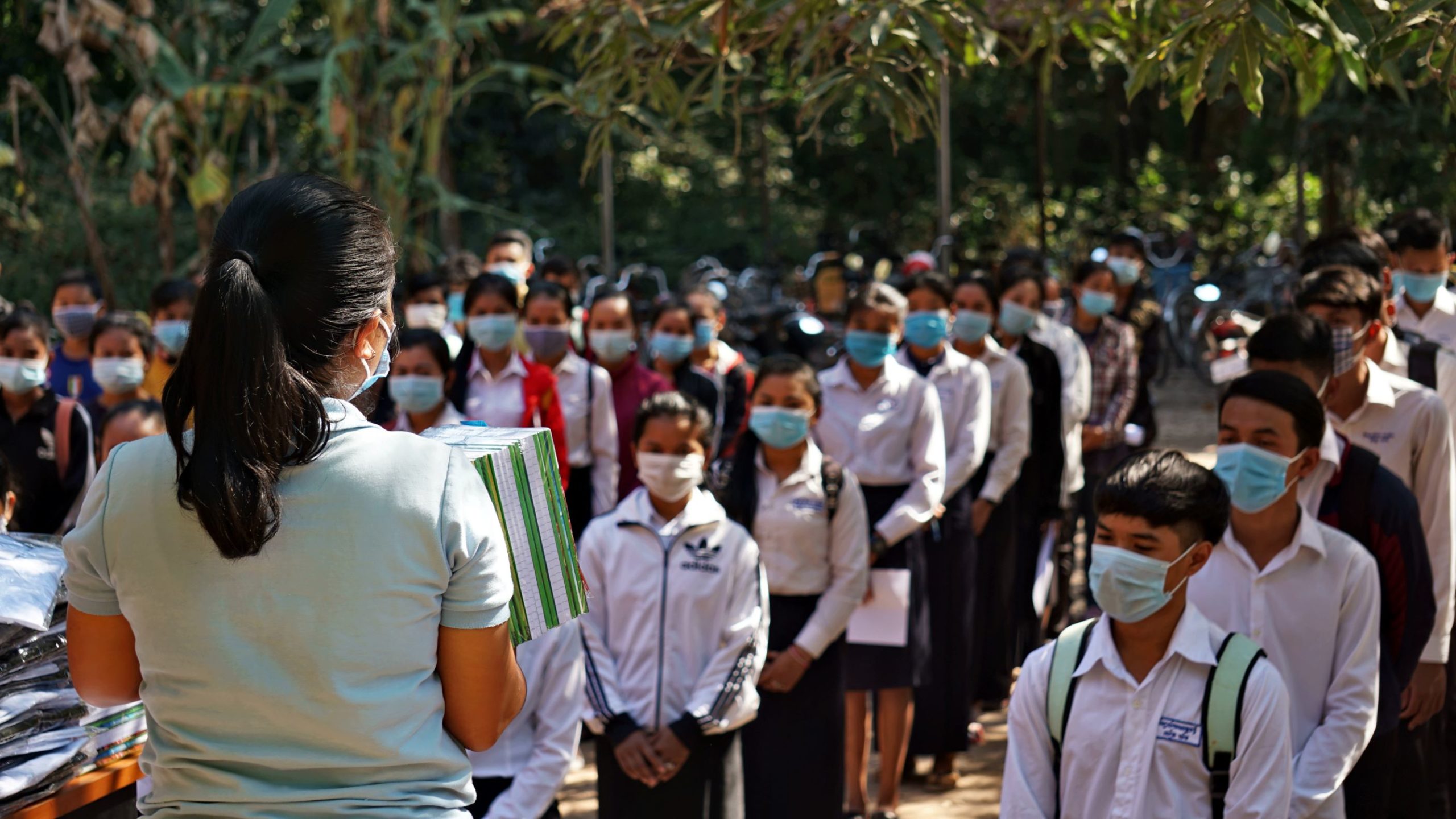
Then came COVID-19, where everything has been disrupted. 3-year plans have been discarded, projects have been turned upside down, priorities have changed and actions have been readjusted on a daily basis. The pedagogical teams have tested and innovated in order to find all possible solutions to limit the educational delay caused by the school closures. The social and health team has worked hard to provide the necessary help to the families, with rice, vegetables with the help of the green farming team, as well as medical support… For this, we must give them a special mention. In spite of a situation that is clearly improving in France, with restrictions being lifted one by one, let’s not forget that this virus continues to cause havoc in other regions of the world, unfortunately among the poorest populations. Here in Cambodia, despite the low number of cases and deaths for the moment, the education of a generation is being sacrificed… Inequalities, already glaring, will increase. The future looks complex. More than ever, the role of Bayon School will be indispensable.

But, in every crisis, there are opportunities to seize; for Siem Reap, a new touristic model will emerge and benefit the greatest number. For Bayon School, this extremely difficult period has made our NGO more resilient, our teams more united, for the benefit of the beneficiaries.

Despite the sadness of the departure and the apprehension of my return to France, I measure the road travelled with pride. Proud to have put my skills to good use for the most underprivileged. Proud to have succeeded in integrating myself into this multicultural environment. Proud to have contributed to all these beautiful projects.

In conclusion, I wish the best to all current and future students of Bayon School, be they at the primary school or in the Follow-up program; be they in university or in vocational training. I know they will be supported to the best of their abilities by the team to help them achieve their dreams.

 I would also like to thank all my colleagues, members of the Bayon family here in Cambodia, for their warm welcome and generosity. I will not forget you and I will continue to follow your many successes from afar!

Proud to be a life-changing teacher

The floor is given to Chamrong Youn, English teacher at the Bayon Pastry School since 2018. Proud to be a teacher of the young girls in the training, he looks back on his beginnings, and on the evolution of his work with them.

My name is Chamrong and I’ve been teaching English at Bayon Pastry School since 2018. My first experience with the students at the school was… strange, in the sense that I met young adults who were shy, lacking confidence in their ability to learn (none of the students had finished high school), and unable to say a word in English.

This was the first time in my career that I had worked with adults as I was used to teaching children! Very quickly however, as I got to know them, learning more about their stories and where they came from, my apprehension turned into a real commitment. All of these girls come from the most disadvantaged backgrounds in Cambodia; this is why I consider it my responsibility to help them as much as possible.

I always try with all my heart to give them my very best when I teach so that they can live their best life and reach their professional goals. 

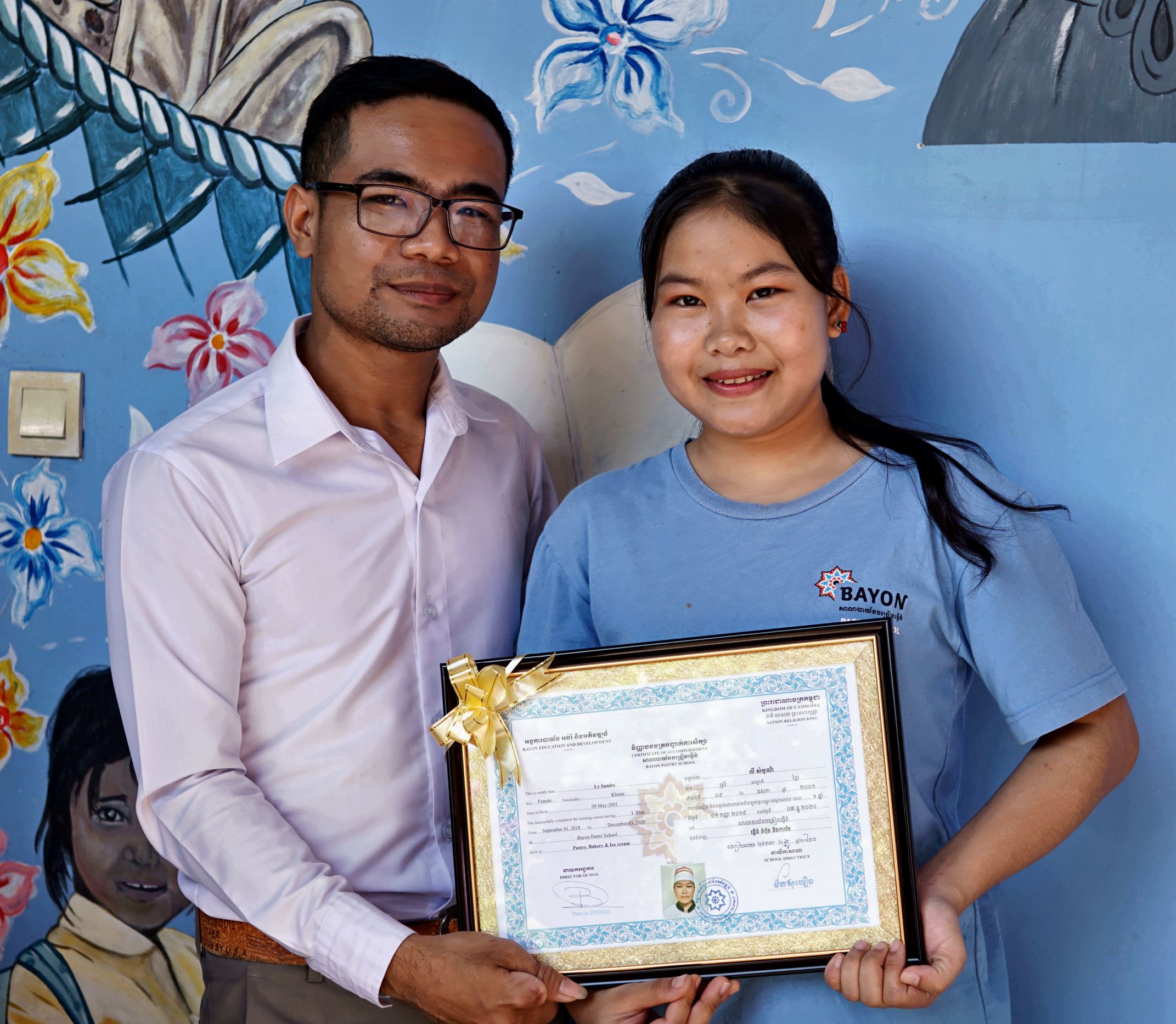
It is not always easy because they have a lot of difficulties, but after many months of work, a great deal of effort from both parties and, most importantly, recognition of their progress, I am proud to say that they now speak English with confidence. As a result, they can work in well-known hotels and restaurants.

I am very grateful to have been able to teach such students and I want to keep helping young women in my country to achieve their goals.

The importance of a database

The importance of a database

Pinelopi, an intern at BED for 6 months, tells us about the database she created to centralize information about our beneficiaries. A task that at first glance seems obvious, but that turns out to be both complex, technical and vital to improve the quality of the programs we implement.

In September of 2020, I arrived at Bayon Education and Development to implement a project initially sought out by members of the social and health teams. The project? To develop and implement a database that would organize the data collected on beneficiaries as well as assist with the monitoring and evaluation needs of BED.

Database and its contents

The database was built using an online software called TeamDesk. A tool customized to reflect the needs of BED’s data collection and organization of three main components: social, health, and education.

Throughout their enrollment from kindergarten to grade 12, and in some cases university, beneficiaries are monitored by BED’s team of social workers, medical professionals and educators. The social, health and educational data collected by our teams are essential for proper monitoring of each beneficiary as well as for assessing the efficacy and impact of our programs. As a result, the database currently stores the social, health and education information of beneficiaries enrolled in our Primary School, Follow-up and University programs (372 students and 242 families).

Need for a data base

Prior to the implementation of the database, BED was seeking a way to improve the monitoring and evaluation strategies of beneficiaries and programs.

As information was collected by different teams, and previously stored in several unrelated Excel files, performing analyses across the different components of data collection was quite complicated. Additionally, it was challenging to share information between teams.

Lastly, new records were created every year, thus making it difficult to monitor students and families over time and get a sense of the impact and evolution of BED. Therefore, three basic needs were required of the new database: the ability to

  • Store and relate beneficiary data in one place,
  • Keep a history of collected data,
  • Analyze the collected data

Value & impact

Within the database, each student and family has a personal file that stores data collected by each team throughout their enrollment in BED. This has two important implications:

  • The team has access to a comprehensive file to monitor each student and family and
  • Information related to beneficiaries or a program can be monitored over the years.

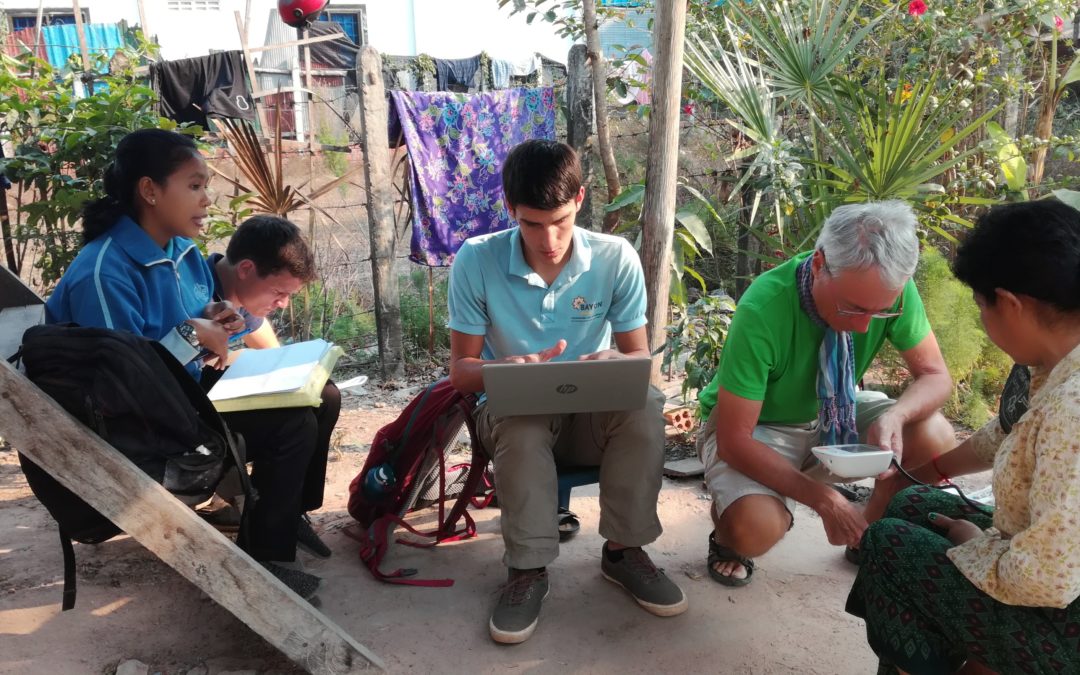
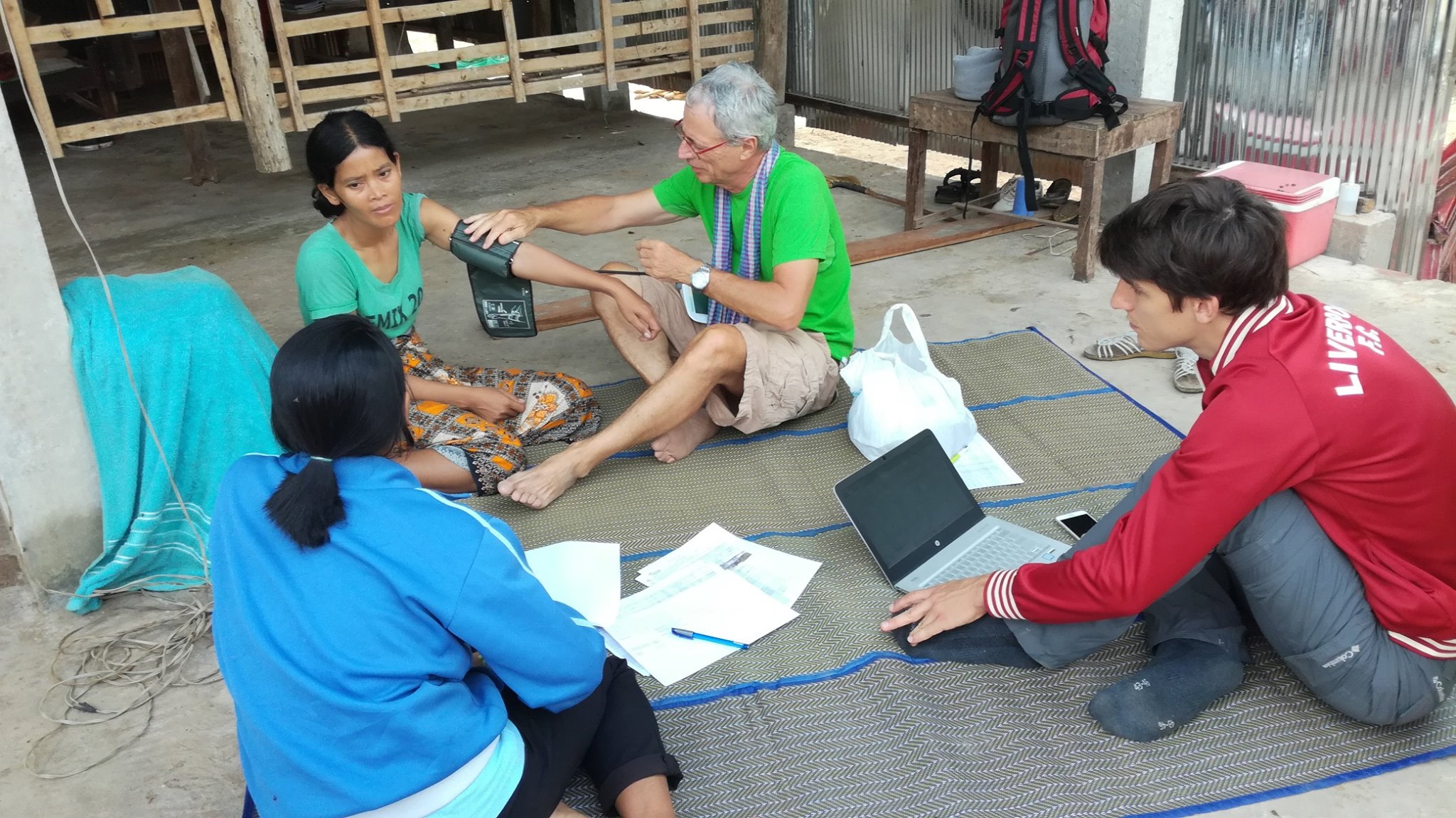
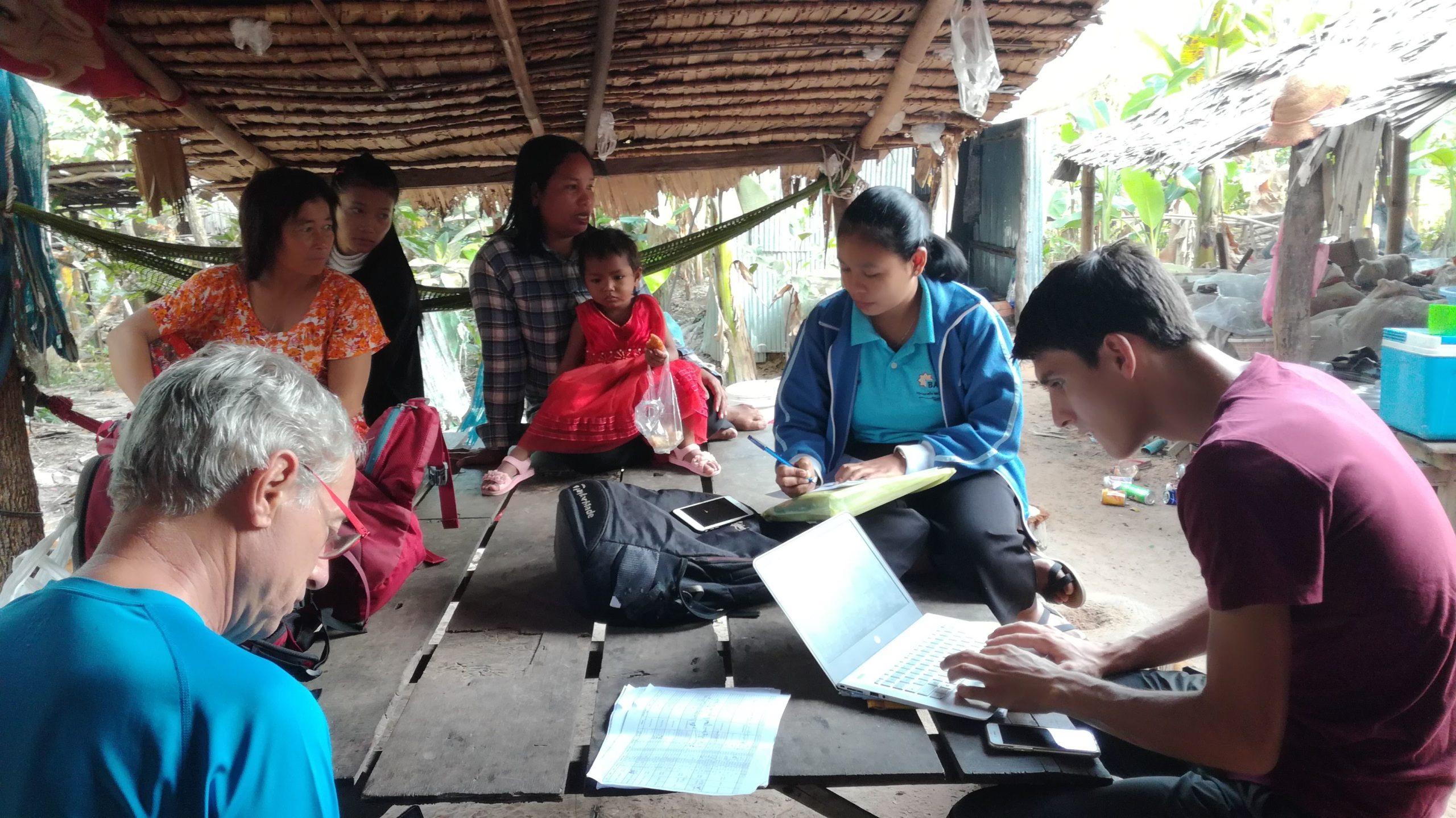
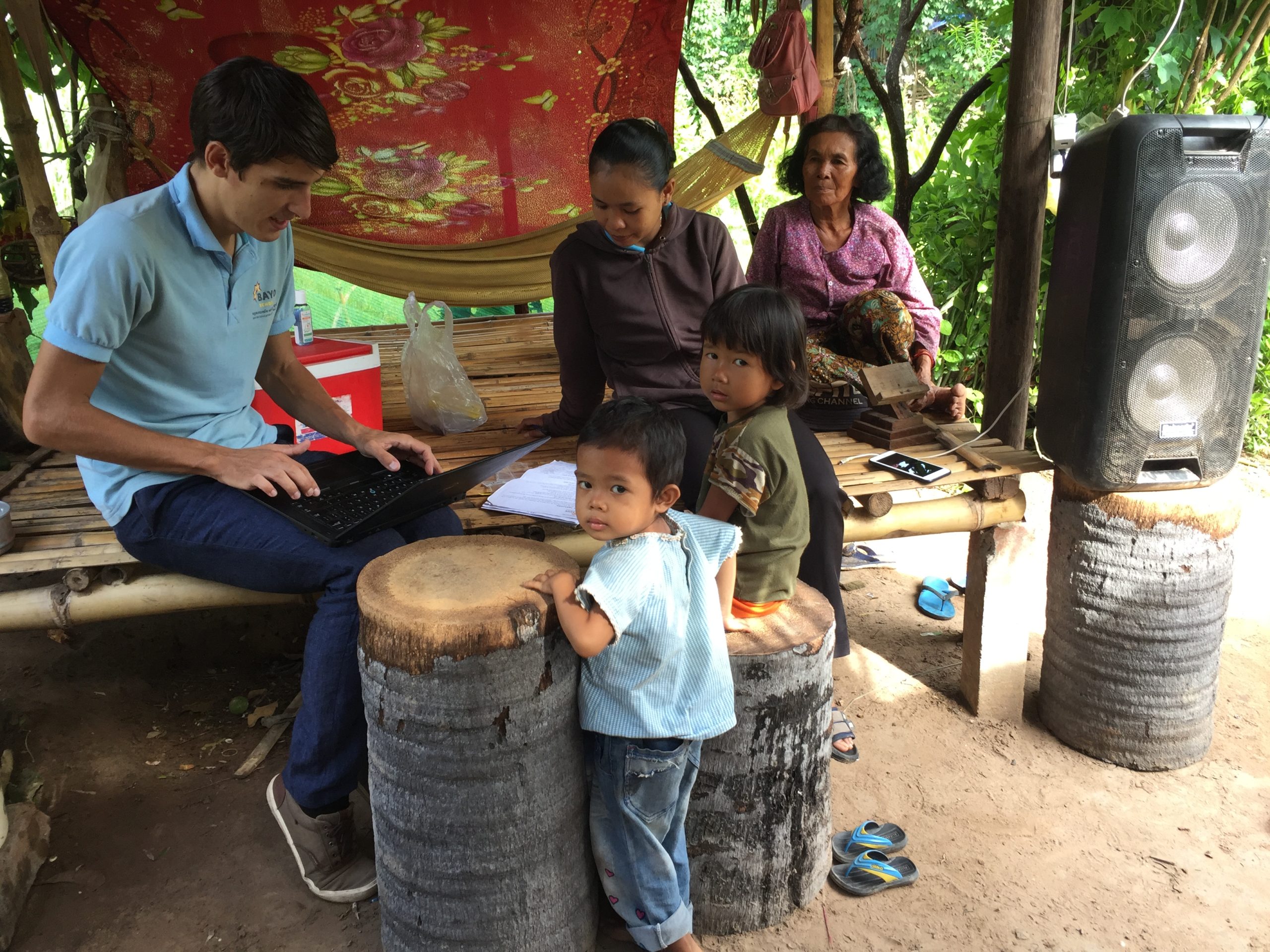
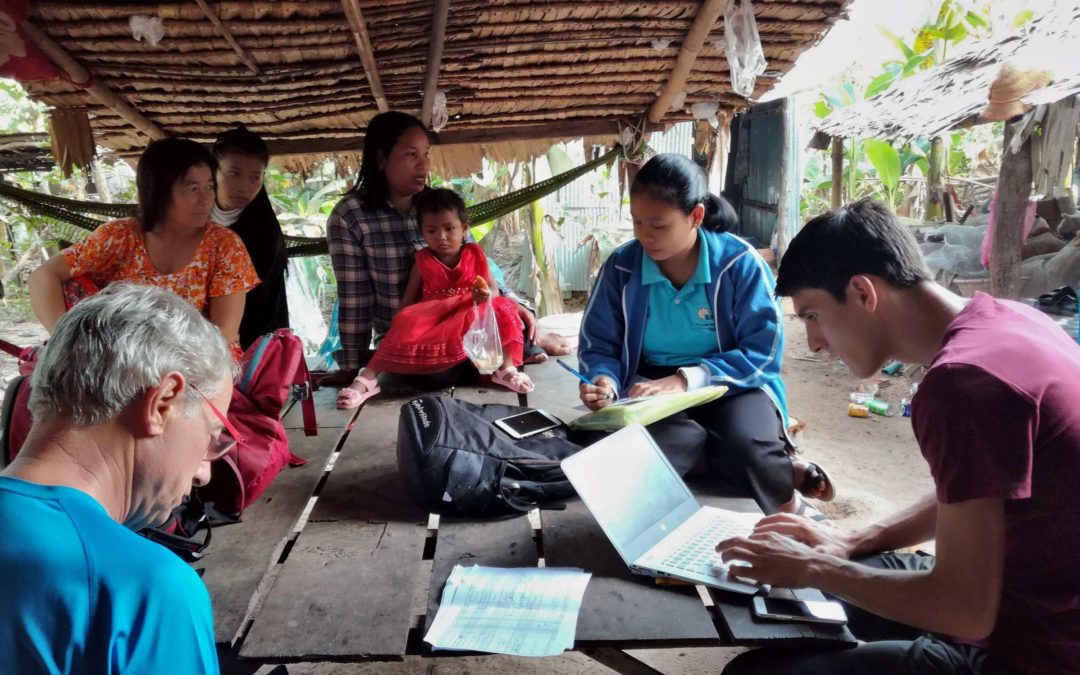
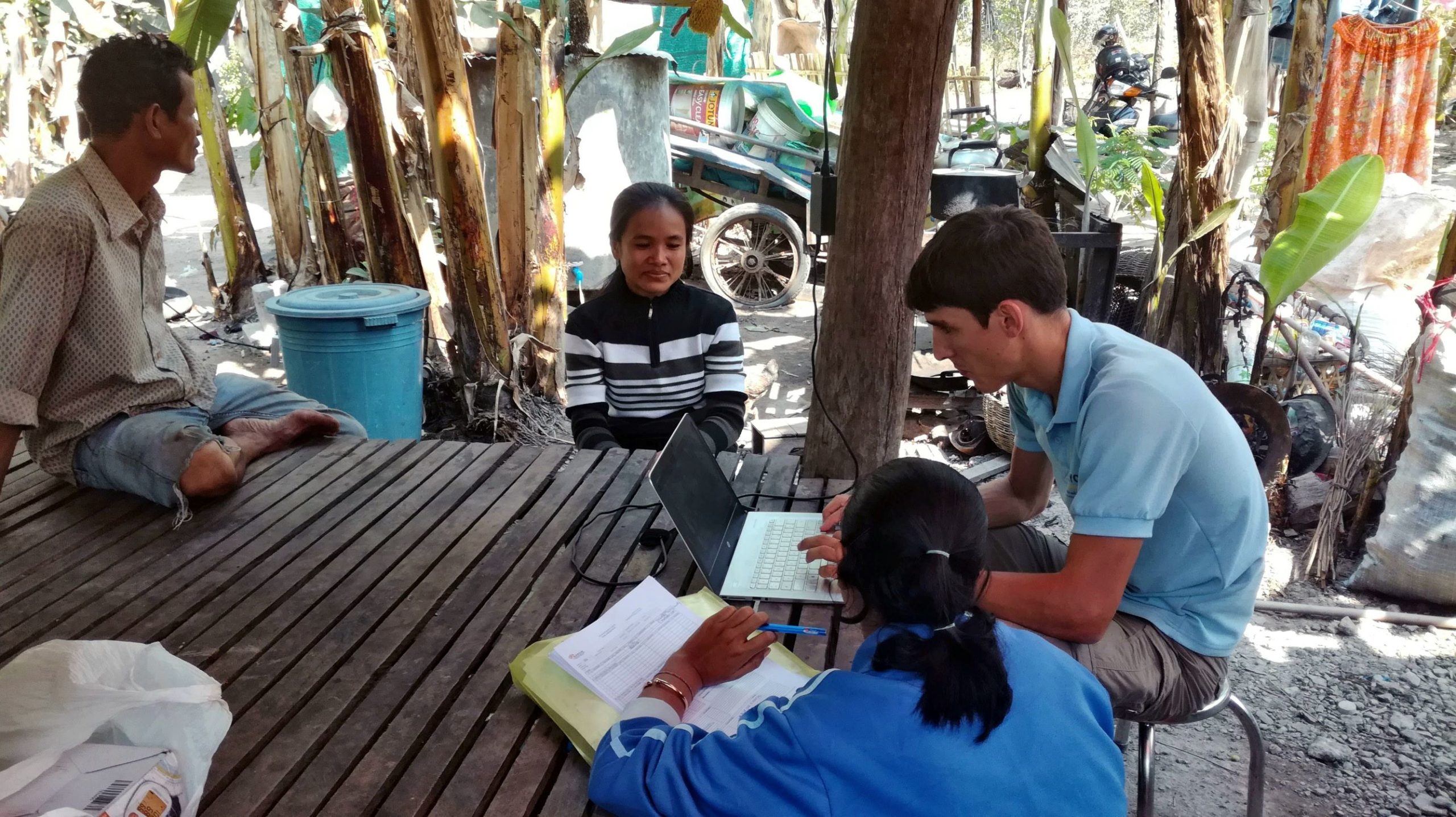
 In addition to the impact on data organization and monitoring, the database has also influenced how each team collects their data. Teachers at the primary school can now record attendance and exam scores directly on their phone or a tablet, medical check-ups are recorded using a tablet, and social workers have the ability to update a family’s information at the time of their visit. This feature provides all teams with immediate access to updated information as it is collected.

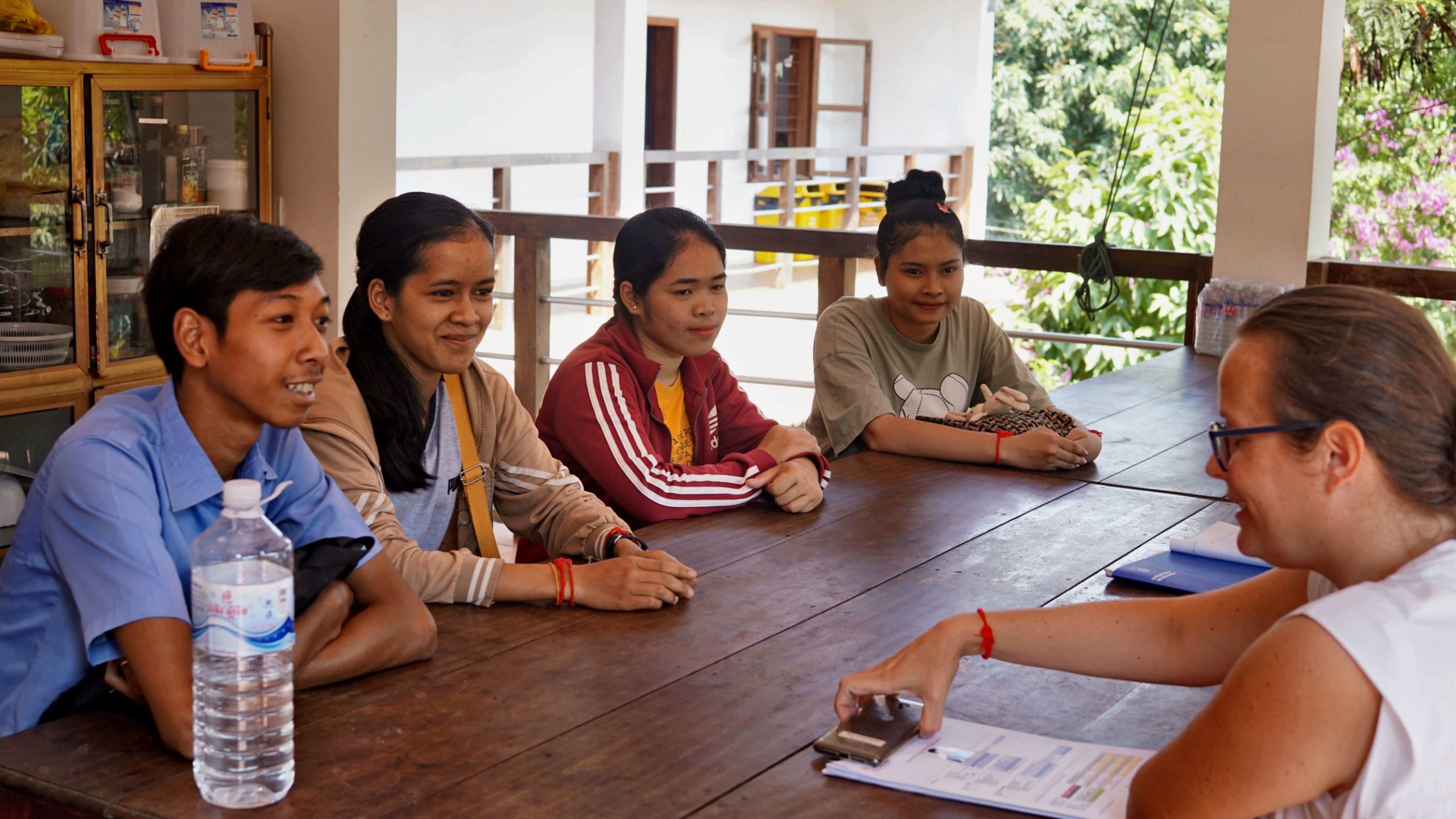
Etudiants du programme follow-up
rencontre avec les étudiants boursiers

Lastly, information can also be organized in charts, graphs and figures. This enables BED’s management to derive insights on the performance of the different projects under its umbrella.

Implementation & future

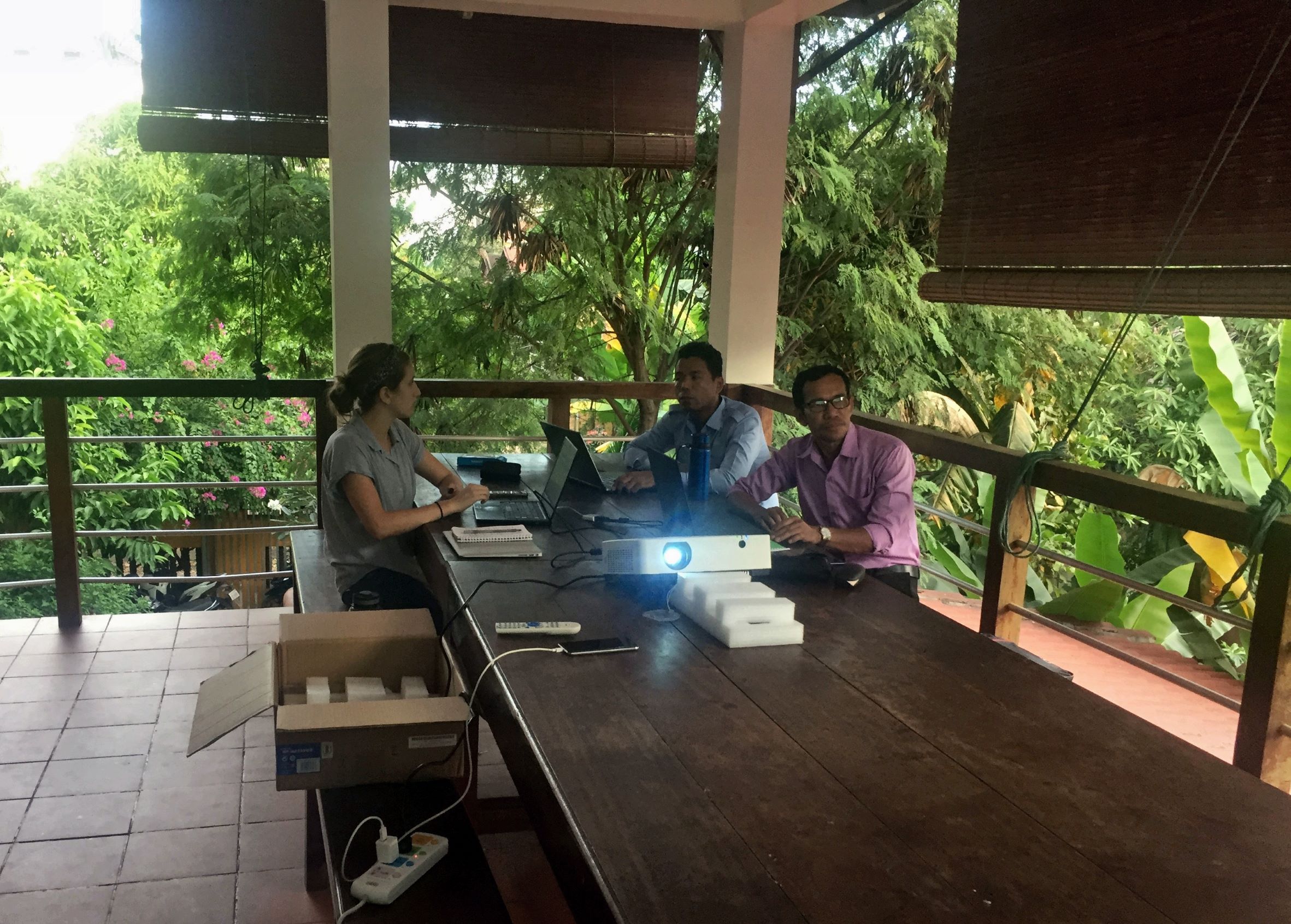
As BED also aims to increase the skills of its staff, several training sessions have been given and the local teams are now autonomous in the use of the database.

Training of the staff

Although this project begins with three programs (primary, follow-up and university), the long-term objective would be to carry out data collection for all of BED’s programs on the database. Ultimately, the purpose of this database is to serve BED’s team and management in relating information across different data collection tasks and to improve the organization’s ability to track the evolution of beneficiaries and programs over the years to come.

It has been an incredible experience working with each person at BED to complete this project. To say the least, I believe it has been a learning experience for me as well as for all the team members who have had to adjust to a new tool for completing their work in support of children and families enrolled with BED.

Secret Link