Become aware of its role

Become aware of its role

 It has been 4 months since I landed in Cambodia and the time has flown by. Since my release from quarantine, it has been a whirlwind of discoveries and sometimes I feel like I only arrived yesterday…. 

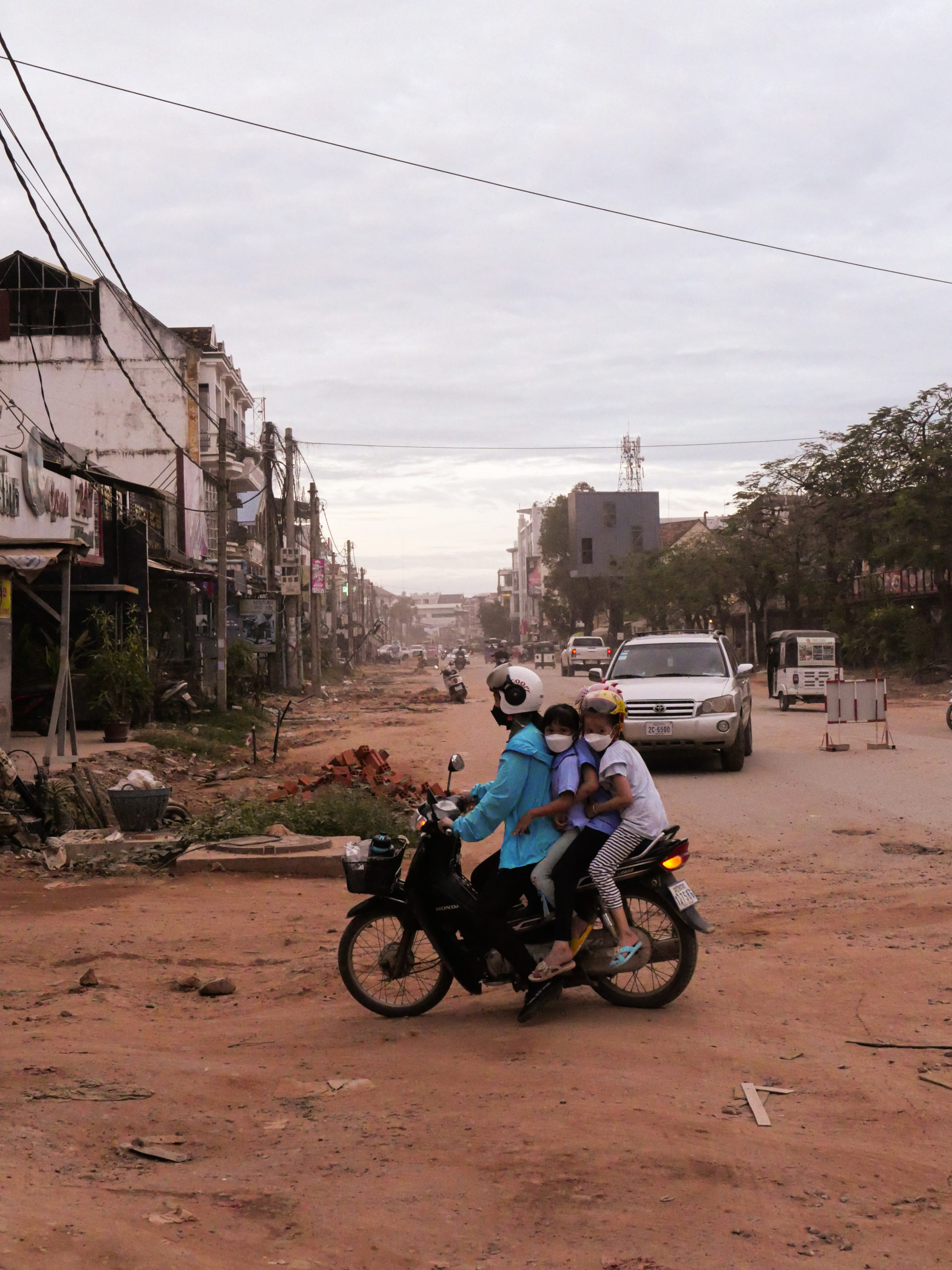
I had been warned that Siem Reap was all over the place and that the passage of Covid had had a considerable impact on the town; add to all that the renovation of the roads and the first impression is –  how can I say – dusty? 

Furthermore, the closing of 80% of the hotels, restaurants and bars gave the city, at that time, the appearance of a ghost town. Even though the shock was a bit brutal, I had had the time to anticipate it and prepare myself for it, which surely made my arrival smoother than it could have been.

After these first impressions, I was able to meet the team of the Bayon School and discover what we – the school, the local team, all the hard work – are committed to achieving. And what a joy! 

I was able to visit the agro-ecology school, the pastry school, where the offices are, and the primary school, such a special place being located within the temples and sheltered from the sun and the noise of the city. If all the schools were still closed, the discovery of these places allowed me to put real images on those I had imagined.

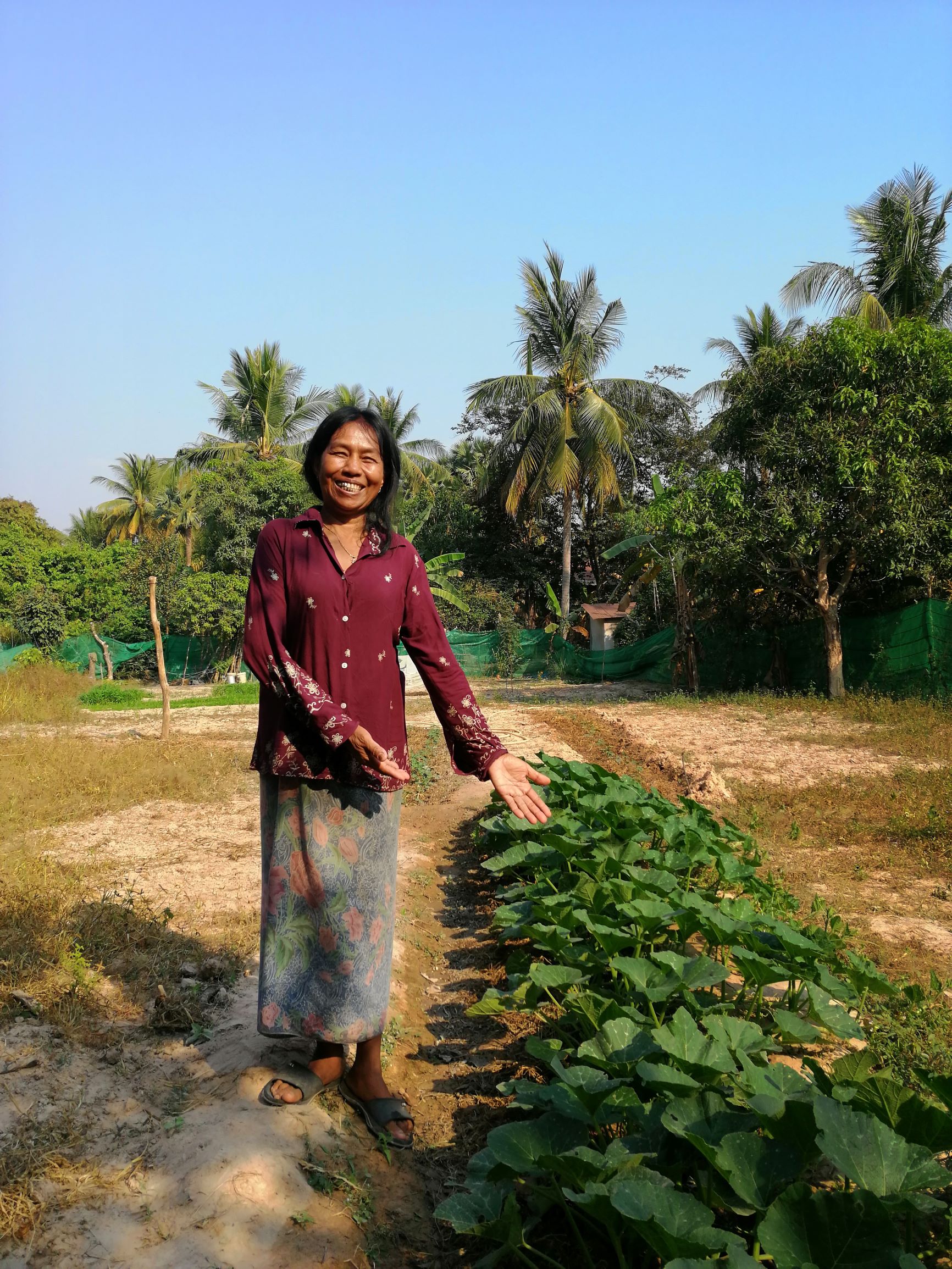
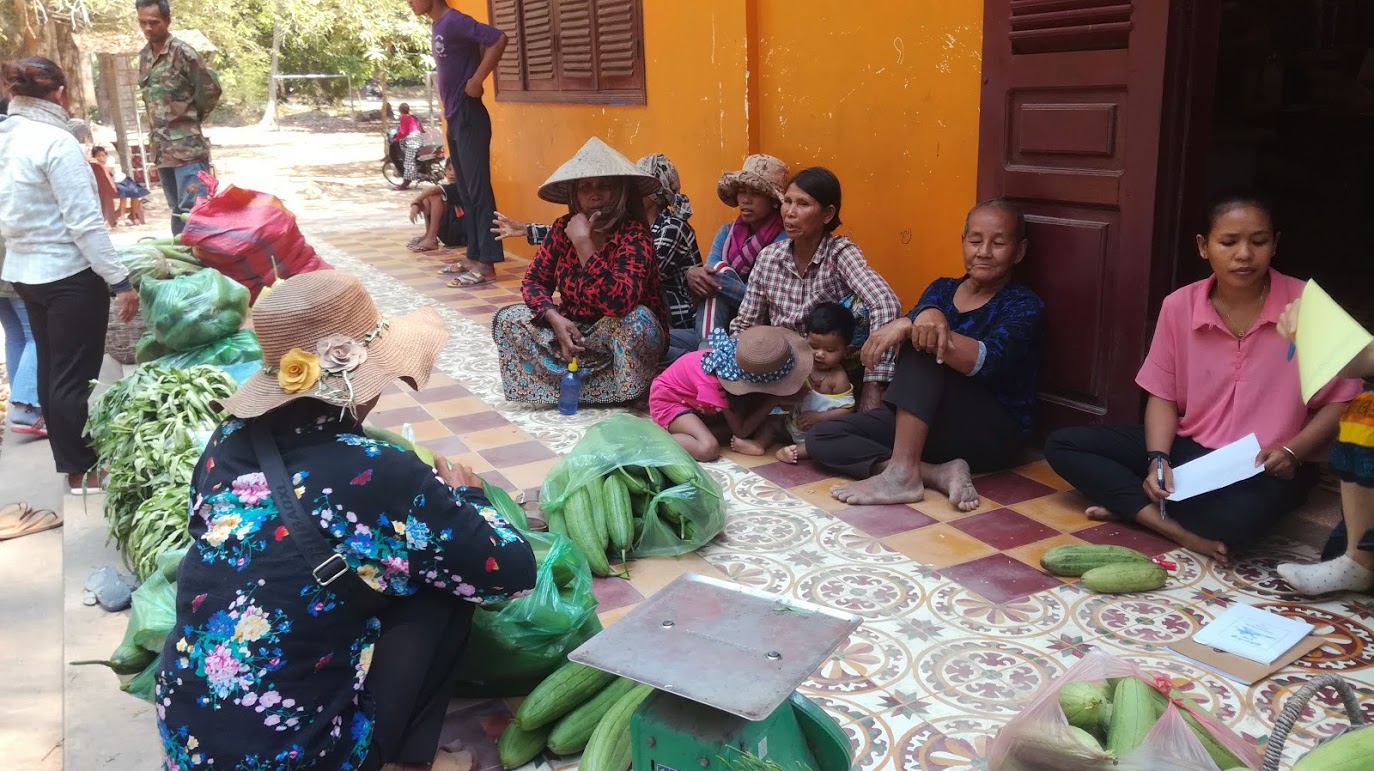
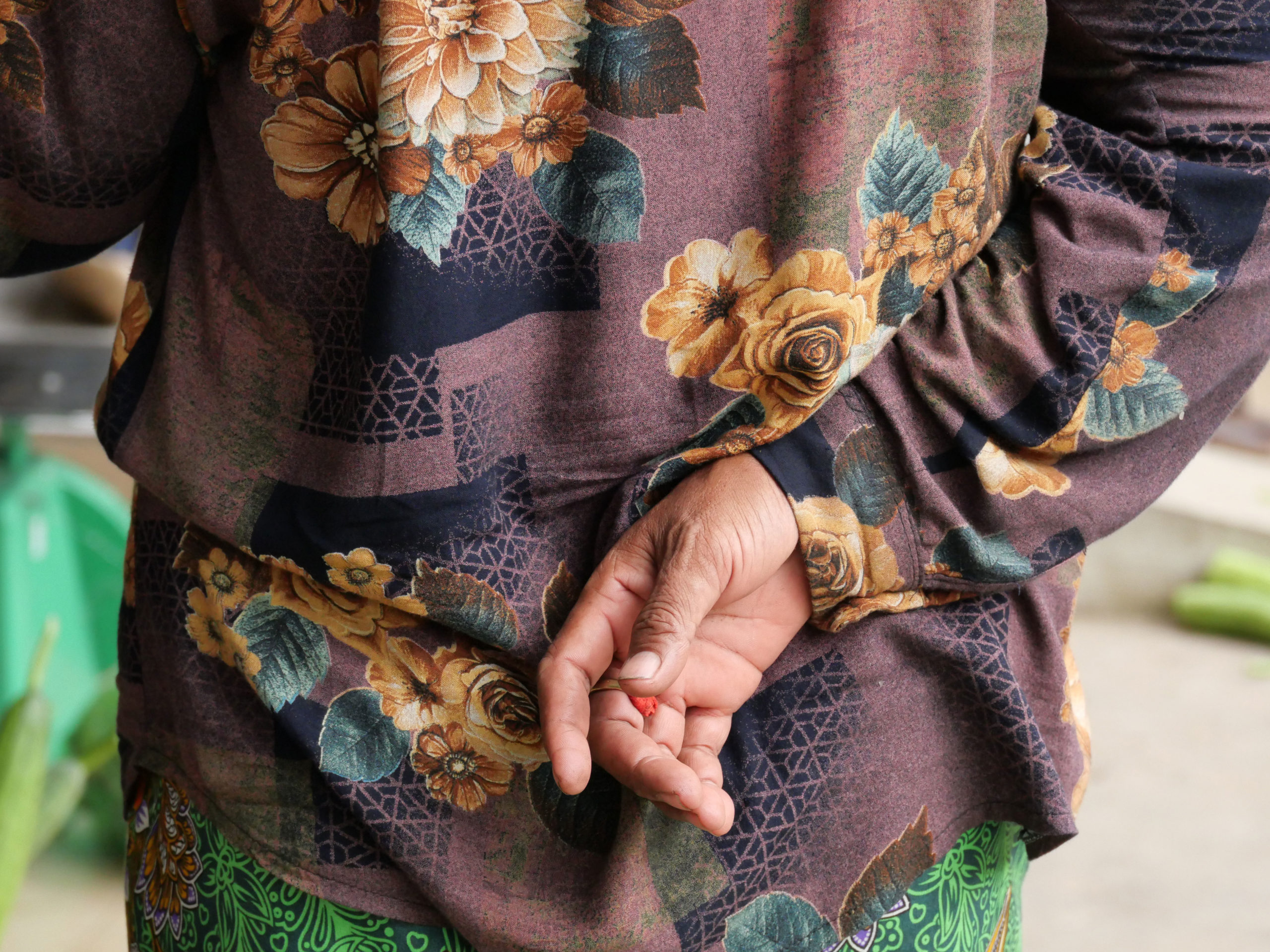
I also visited the farmers to discover their vegetable gardens and was impressed by the work of these women who work the land, often alone, and whose production allows us to feed our beneficiary families. There is so much to say about them and the few pictures I was able to take often speak for themselves.
I remember that, after this first visit, Sakoth, the agroecology program manager, took me back into town on his motorcycle and, having no idea which way we were going, I let myself be driven around. What a surprise when I realized that we were on the road to the temples as I saw rise before me these magnificent stones and the impressive Angkor Wat.

I was stunned by this spectacle and realized how very lucky I am to be here, in the middle of a pandemic.

Today, 4 months later, I have had time to find my feet and I know Siem Reap (almost) like the back of my hand. The sanitary situation has clearly improved since September and we no longer have any restrictions, which allows us to appreciate the town differently. The roads are almost finished, we can see some tourists coming back and this gives us hope that we are heading towards better times – even if the situation in Europe alarms many people.

My work has taken on its full dimension by being here. I know why and for whom I am involved, I see the results of our actions and I observe the progress we are making. I have exchanged with the team, I have listened to their life stories and their reflections and I am aware of the role we have as volunteers in the field.

I wonder about what we have and must bring to them, how to be a support, at their side, whilst letting them guide their projects because they, more than anyone, know the issues of their country, the consequences of their history and the situations in which the most vulnerable populations are. I think it is important, when we go into the field, to be aware of these different issues and to know how to take a step back when the reflection is too far from our reality and from what we think we know about the country we are visiting. 
I feel that we need to be aware of the fact that, while most of us are just passing through, for those who live here and work at the Bayon School, this really is a lifelong commitment.

I see my role as a small hand in the shadows, helping to shine some light on the team’s work. I like to share my knowledge with them and give them the tools to do it for themselves, to exchange with them and to question myself on the way we articulate our work to make sure that it bears fruit. 

I like the idea that we are here to sow what we know and direct the work towards fair and sustainable decisions. Socially, environmentally and economically sustainable. Not to reproduce the same patterns that we all know, but to offer our children a better future and to give them the keys to understand today’s world whilst designing their own world for the future. 

During my time at the Bayon School, I hope to develop these ideas, to tell the story behind the hard work, to share the questions we ask and the answers we find. I hope to transcribe in my writing and the contents I share with you, this dynamic that we want to establish, to question myself and to question you in turn on the difficulties encountered here, which, although they are physically far from you, are very often the echo of what we encounter at home.

I hope to be able to show you the will and commitment of our members, of a local team that never loses sight of its objective: to offer children a quality education and to ensure them a better future.
Pedalling for Equality : 5,000 km across Europe

Pedalling for Equality : 5,000 km across Europe

Can you introduce yourself in a few words? 

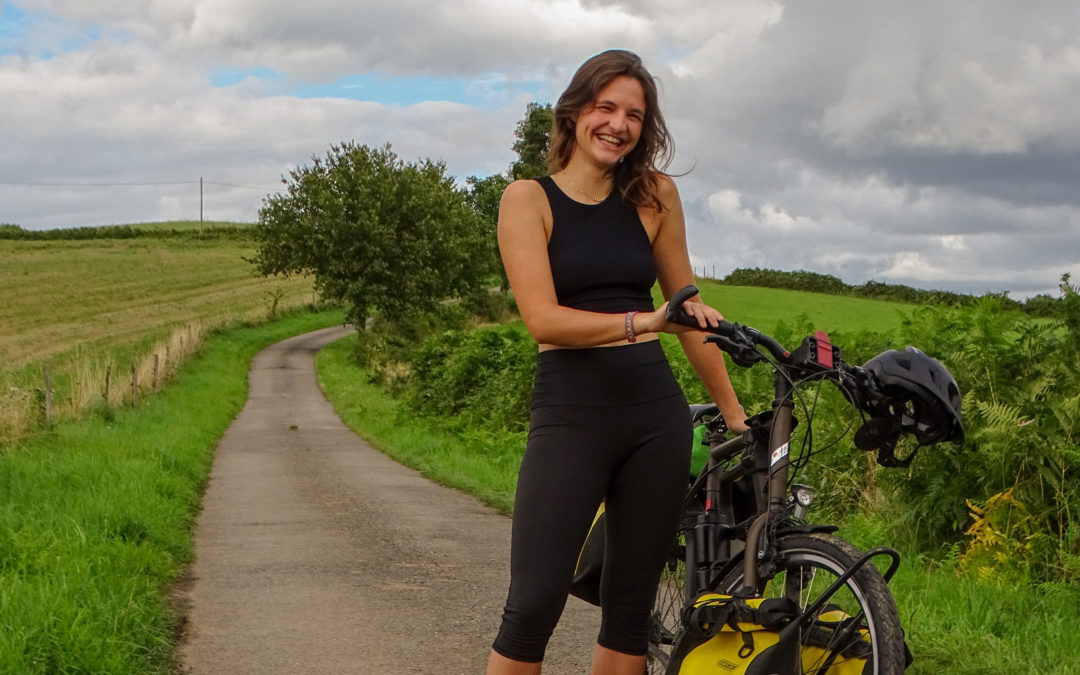
Hello, my name is Diane Robert, I am 21 years old and I have just completed a Bachelor’s degree in Political Science at McGill University in Montreal. 

Where did you get the idea to cross Europe by bike? What is your itinerary? 

Since I started my studies at McGill, I had planned to take a gap year after my Bachelor’s degree to discover new countries and new projects. I did not have a specific plan as I wanted to give myself the opportunity to push myself beyond my limits and adapt to different circumstances. With Covid, the idea of going further and further away was replaced by the desire to take the time to discover places closer to home. This, combined with the thirst for freedom and meeting new people, gave me the idea of discovering Mediterranean Europe by bike. 

Why did you decide to get involved in an associative project?

I did not want my project to be just a personal adventure; I wanted it also to have a positive influence on people close to me and to be useful to others. Being particularly invested in gender equality issues, I wanted to carry out a project with a concrete impact in this field, as well as supporting an NGO concerned with this issue. Through awareness, education and fundraising, I wanted to participate in the improvement of the economic and social situation of some women, whilst opening the debate on these issues to those around me. 

Why did you choose the Bayon School ? 

I firstly wanted the funds collected to go to an association whose name and effectiveness I knew. I particularly appreciated the work of the Bayon School and its focus on education, which I felt was the most effective way to have a short, medium and long-term impact on individuals and society as a whole. Within the School, one project particularly resonated with my values and commitments. Your Pastry and Bakery School allows young Cambodian women from underprivileged backgrounds living in the Angkor temple region to have access to quality education and to promote their professional integration at the end of the training. In addition, I had the chance to visit your center during a stay in Cambodia and I was touched by your commitment to stay close to the children, young people and families that you support on a daily basis.

How will the funds raised be used?

The goal is to raise 2,500 euros; this amount corresponds to the complete training of a young woman at the Bayon School of Pastry and Bakery. It includes the student’s food and lodging, all courses and related expenses, school supplies and uniforms, a bicycle to facilitate transportation as well as the monthly allowance.

Why does the issue of gender equality interest you so much? What do you think you can contribute? 

Firstly, it is one of the themes that affects the largest proportion of the population. It is also a theme that is often misunderstood or misinterpreted, leading to debates that are often poorly researched and therefore counterproductive. In my opinion, equality is the most basic justice. The courses I have taken on this topic have allowed me to form clear and critical thinking, with the conviction that change is possible, through action but also through reflection. While it is necessary to improve the situations of the most vulnerable people in this regard, I believe that it is equally crucial to raise a constructive debate at the societal level in order to change certain mentalities. I hope that, by sharing quality resources and taking the time to listen to various opinions, I can improve my knowledge on the subject, promote this questioning in the minds of new people and present or support concrete proposals in this direction. This is why I would like to ask one question of as many people as possible that I’ll meet along the way: “In your opinion, what should be worked on as a priority to reduce gender inequality?” 

Equality is the most basic justice.

So if I ask you “In your opinion, what should be worked on as a priority to reduce gender inequality?”, where would you start?

Education. I think that we must start by observing society to take into account gender differences in order to denormalize and de-banalize certain phenomena. For example, it is not normal for a woman to feel unsafe in public places just because she is a woman. Street harassment should not be seen as normal and inevitable when a woman goes out. Similarly, it is not normal that a woman does not have the same opportunities as a man to access quality education, stable employment and security. Sadly, these inequalities do exist. I believe that the first step is the actual recognition of these inequalities, the study of their sources and their consequences. Only then can we hope to find solutions to reduce them, or even to erase them. This is what I hope to do by communicating personally on the subject and by showing my commitment to projects like the Bayon School. 

What would you like to discover or learn during this trip? 

During this trip, I aim to take the time to cross different European countries, getting to know the local populations, eating and sleeping in their homes. By doing so, I hope to understand the many European cultures, which are both so diverse and varied, but yet so similar to ours. I would like to learn from them, from their reflections on their society and on these questions that I ask myself. I would also like to grow, to learn about myself, about my mistakes and my successes, to confront difficulties and to observe how I face them.

Can we follow you on your journey? 

Yes of course! I will share my adventures on my Instagram page (dianerobert8) and prepare some other small surprises for you. I cannot wait to “take” you with me, so that you too can discover a little more of Mediterranean Europe, the Bayon School and the solo cycling life! 


See you soon!

VIEW ON… – “It’s time to go” by Penelope

When I learnt 3 months ago that I would be coming to Cambodia as a volunteer with the Bayon School, I felt both excitement and apprehension; although this was not my first expatriation, this one already had a special taste.

Firstly because it is in Asia and I have already had the opportunity to discover a small part of this continent a few years ago. Memories that since then have never faded, quite the contrary. I never stop telling anyone who will listen to me that, one day, I will return.

Secondly – and this is the real value of this new adventure – because I am going there in a singular context; to work for an NGO in a field, which has motivated me since I started thinking about my future professional project, and in which I long to be involved. I have always tried to understand how our world works, how it finds its balance, how our societies are articulated, and especially what our differences are. Cultural, identity, social, I have always wondered about the importance of these differences and what they can teach us about others. I am convinced that it is vital to look around us in order to find the resources necessary for a more egalitarian world, for a balance conducive to change and progress. I also believe that it is by looking to others that we can look at who we are and who we want to be. 

My involvement with the Bayon School is a melting pot of all these questions that I take with me, and that guide my work on a day-to-day basis.

I am particularly interested in how communication can transmit notions of equality, social justice and civil rights. I wonder about the many tools we have to shine a light on what is happening elsewhere and to spread the word about social and humanitarian initiatives that do not always receive enough attention.

As I started working for Bayon whilst in France, I have had time to picture what my work and my life would be like here. My imagination fills my head with images, which I am eager to replace with real experiences. Projecting from a distance what our future home looks like is a rather singular experience and my initial apprehension is gradually replaced by the growing excitement of finally leaving.

I am finally going to be able to discover what the school looks like, to meet the team in person rather than from behind a computer screen, to visit the families and the children, to stop imagining their smiles but to be able to smile at them too, to admire the work of these women who cultivate the land, to taste the pastries of our budding chefs, to be able at last to be a part of what the whole team likes to call this large family of the Bayon school.

D-day, August 12th. With my PCR test being refused at the check-in counter, causing me cold sweats and a great deal of stress, my departure is chaotic and I have to run like mad to catch my plane. But here I am, finally in the plane, exhausted from the last days and goodbyes to my family and friends, but happy to finally take off to Cambodia


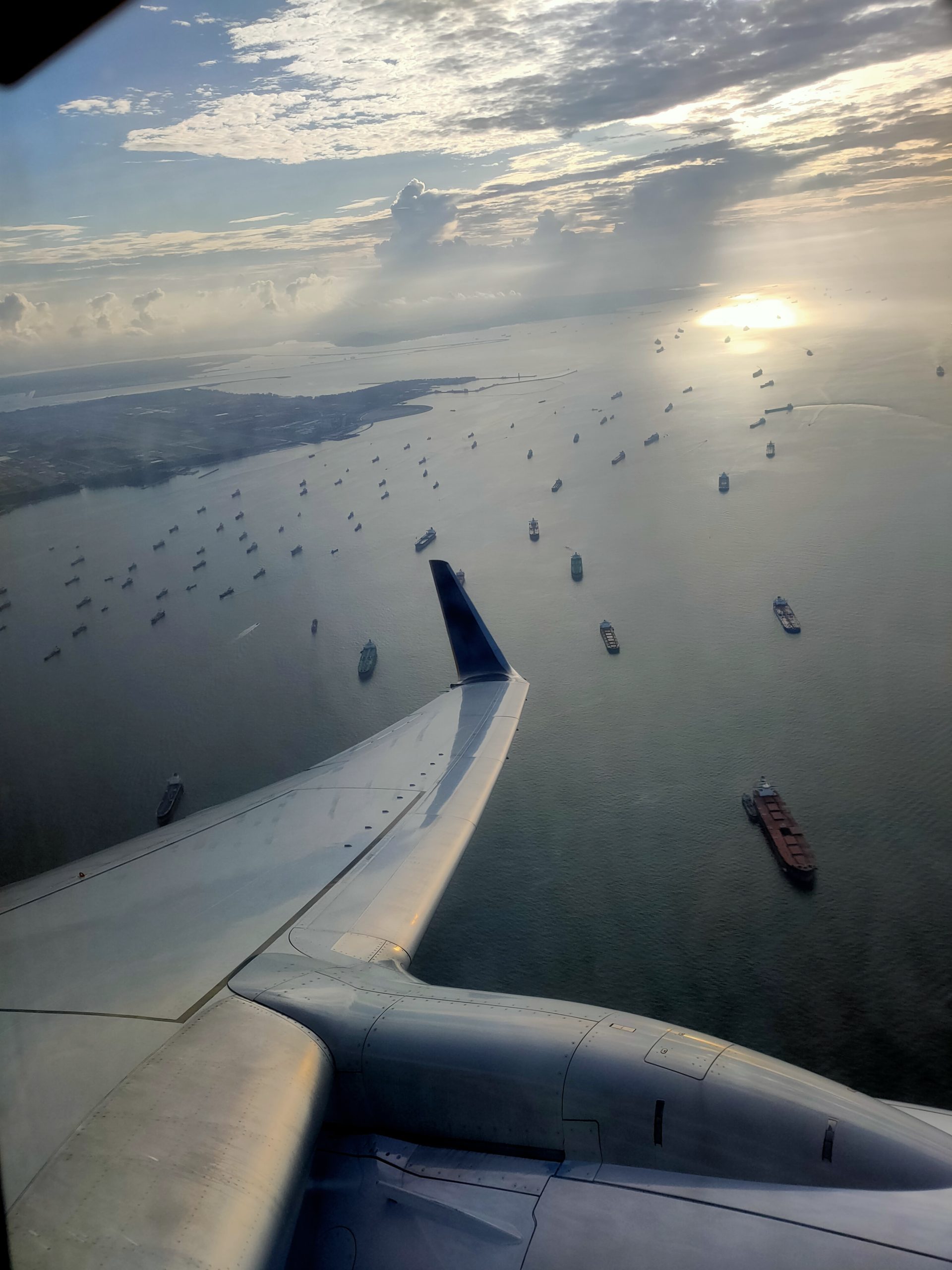
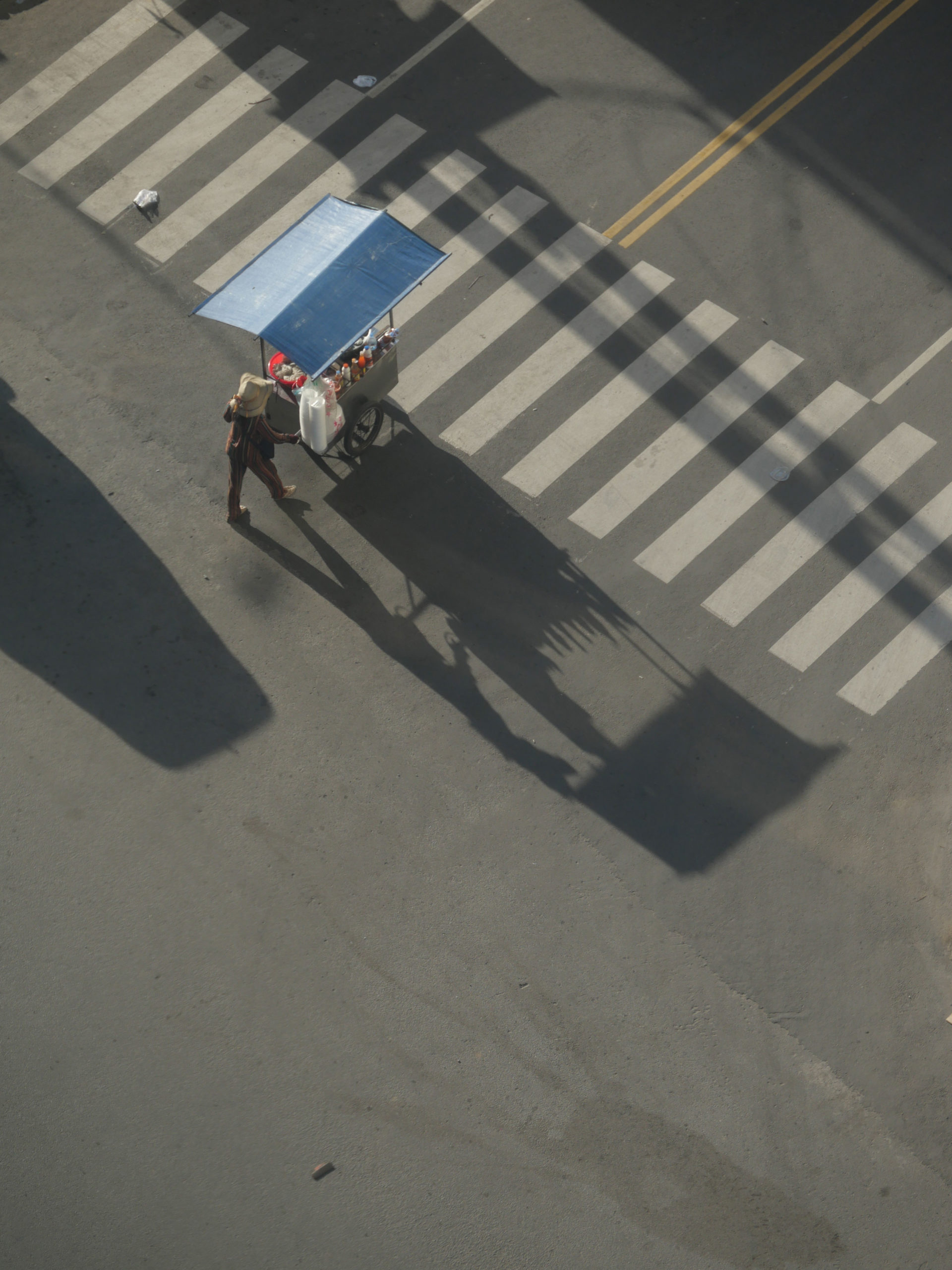
After 15 hours of flight, a short stopover in Singapore and 3 PCR tests to welcome me, I head to the hotel for the quarantine. Through the window of the bus, I rediscover the overwhelming, humid heat, the effervescence of scooters and tuk tuks in all directions, the street stalls of fruit and vegetables, the noise of horns and engines, and I have a hard time realizing that I have finally arrived.


Day 10. As I write this, it is August 23rd and I have been in quarantine now for 10 days. Only 4 more to go! Since I have been here, my work has become more meaningful and things have become more real. I am more aware of my role and the roles of everyone who assists our families. My commitment and motivation are growing and I cannot wait to be able to exchange and put all my ideas into action with the team on site.

View from my quarantine window

I don’t really know what to expect or what this year will bring me. I am slowly letting myself be carried and guided by the energy I already feel here. I hope to be able to give my work and my commitment an even wider dimension than the one I already try to have every day. Firstly for them, the children for whom the Bayon School works relentlessly, by giving them my support and accompanying them as best I can through this precious learning experience that is school. Then a little for me, hoping to grow even more, because I already know that, of all my experiences abroad, this one will surely be the richest in emotions.

When you will read this text, I will already have been in Siem Reap for a few weeks, and I will take the time later to tell you how I feel, if the images in my head and those I share with you for the communication of the Bayon School are the same as those in real life.

Proud to be a life-changing teacher

The floor is given to Chamrong Youn, English teacher at the Bayon Pastry School since 2018. Proud to be a teacher of the young girls in the training, he looks back on his beginnings, and on the evolution of his work with them.

My name is Chamrong and I’ve been teaching English at Bayon Pastry School since 2018. My first experience with the students at the school was… strange, in the sense that I met young adults who were shy, lacking confidence in their ability to learn (none of the students had finished high school), and unable to say a word in English.

This was the first time in my career that I had worked with adults as I was used to teaching children! Very quickly however, as I got to know them, learning more about their stories and where they came from, my apprehension turned into a real commitment. All of these girls come from the most disadvantaged backgrounds in Cambodia; this is why I consider it my responsibility to help them as much as possible.

I always try with all my heart to give them my very best when I teach so that they can live their best life and reach their professional goals. 

It is not always easy because they have a lot of difficulties, but after many months of work, a great deal of effort from both parties and, most importantly, recognition of their progress, I am proud to say that they now speak English with confidence. As a result, they can work in well-known hotels and restaurants.

I am very grateful to have been able to teach such students and I want to keep helping young women in my country to achieve their goals.

Job placement: an issue for the year 2020

Job placement: an issue for the year 2020

The Bayon School is facing a complicated problem: finding professional opportunities in a sector, which has been greatly impacted by the total halt of tourism in Cambodia. The students will graduate at the end of December 2020 and our role is help them achieve financial security once they leave our program.  

From family to employer

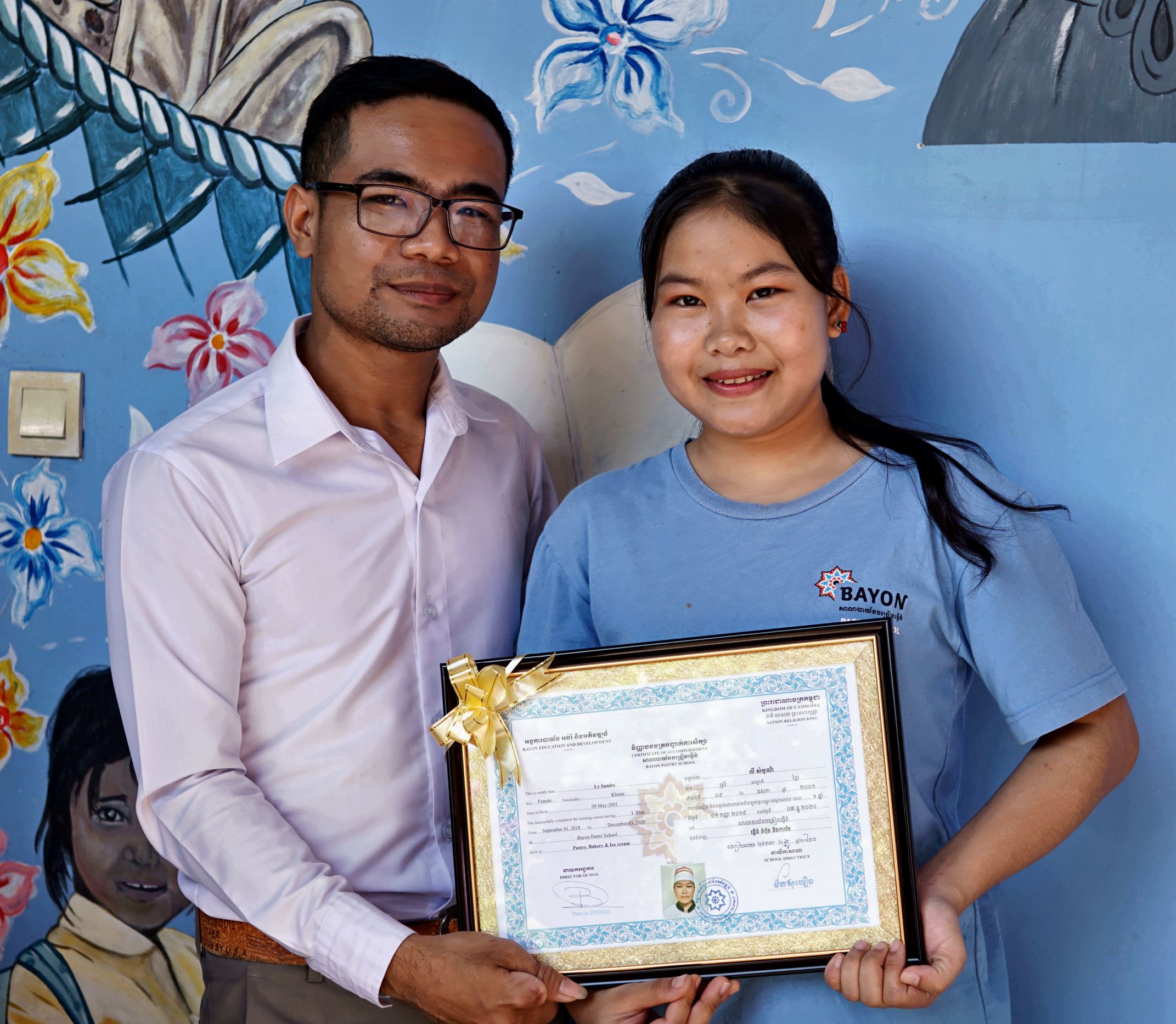
We train young women from disadvantaged backgrounds in bakery and pastry making, thanks to a practical and highly professional training that enables them to find a job quickly in a field that, until February 2020, was experiencing a boom. Our support does not stop at the graduation ceremony and we accompany the students to the door of their first employer. We also help them in their search for accommodation (usually a small shared room) as they cannot return to stay with their families, who live too far away and often have little understanding of the reality of the working world in which their daughters will be working. We therefore support our students each step of the way to ensure their safety during this transition phase.


la 6eme promotion de l'école de pâtisserie
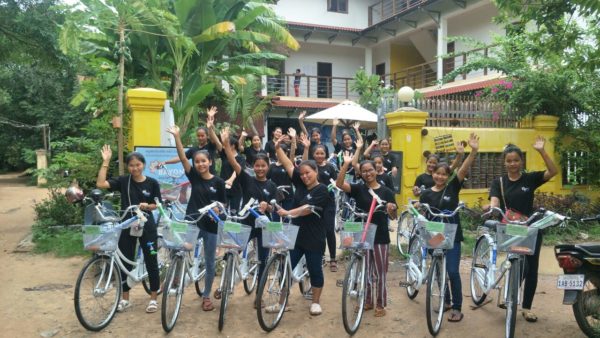
filles sur des vélos

Partners who are going through the crisis

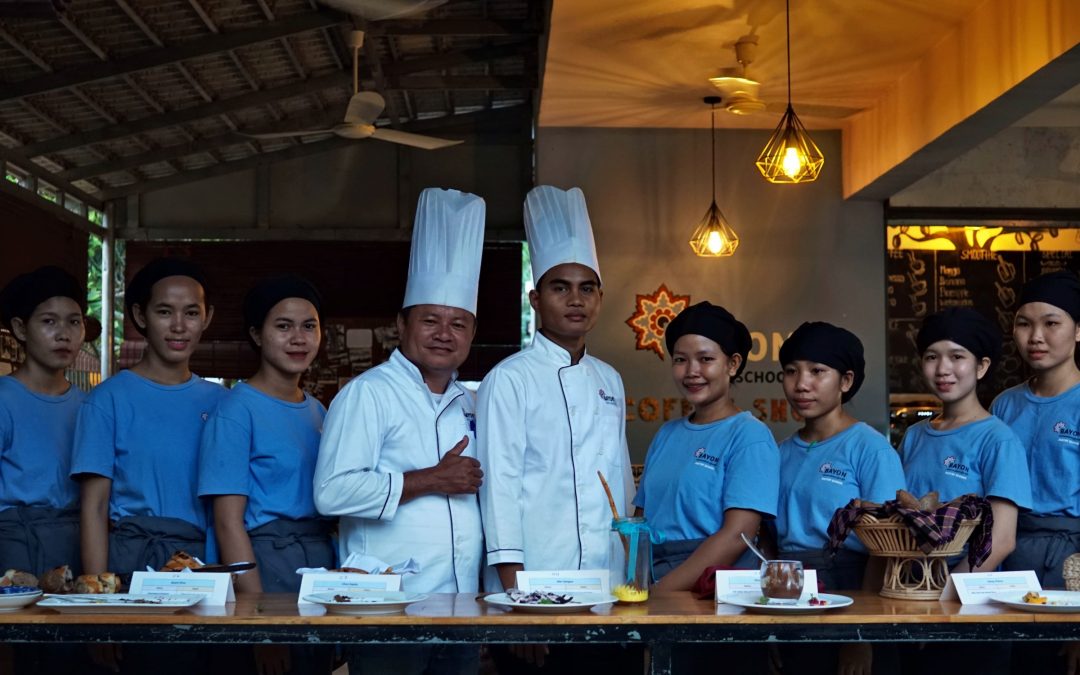
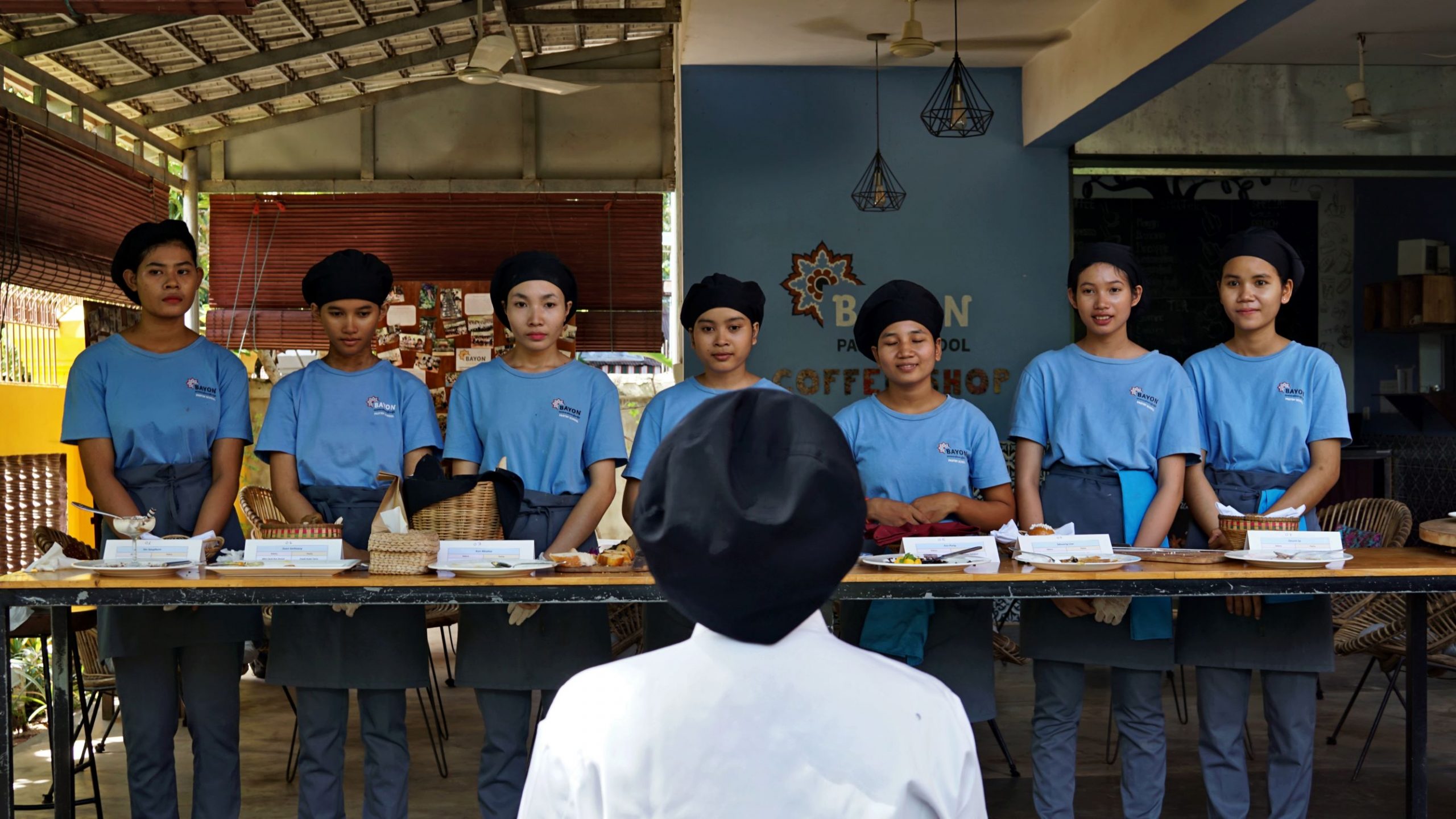
After 6 years of existence, and with more than 80 graduates, the school has acquired a certain reputation among the hotels and bakeries of Siem Reap. The top chefs of the town recognize the quality of the training program, coming regularly to choose students at the end of the year; 90% of jobs are generally found in the Siem Reap network. This year, because of the COVID crisis, 78% of the town’s hotels have closed or ceased operations. Our partners for internships and professional placements have no openings to offer us so we still have to find professional opportunities for the 26 students of the 6th promotion (one quarter more than in 2019).

Phnom Penh, a growing local market

Cambodia’s capital city is home to a growing wealthy population, with a middle class that frequents international hotels, cafes and restaurants. Bakery products are popular and more and more Cambodians are buying French bread or pastries. At the beginning of November, our teams went to Phnom Penh to meet potential future partners. Renowned companies such as the Thalias group (a chain of top French gourmet restaurants in Asia), Kayser bakeries (7 branches in Phnom Penh) and Brown Café (a chain of luxury coffee shops) have shown an interest and 9 openings are currently available. 5 other students have already found jobs in Battambang and Siem Reap.

The young girls are sometimes very apprehensive about going to the capital (traffic, cost of living, …) so we accompany them in this next major step in their lives, doing our best to help them integrate structures, which will take charge of their care and their meal expenses.

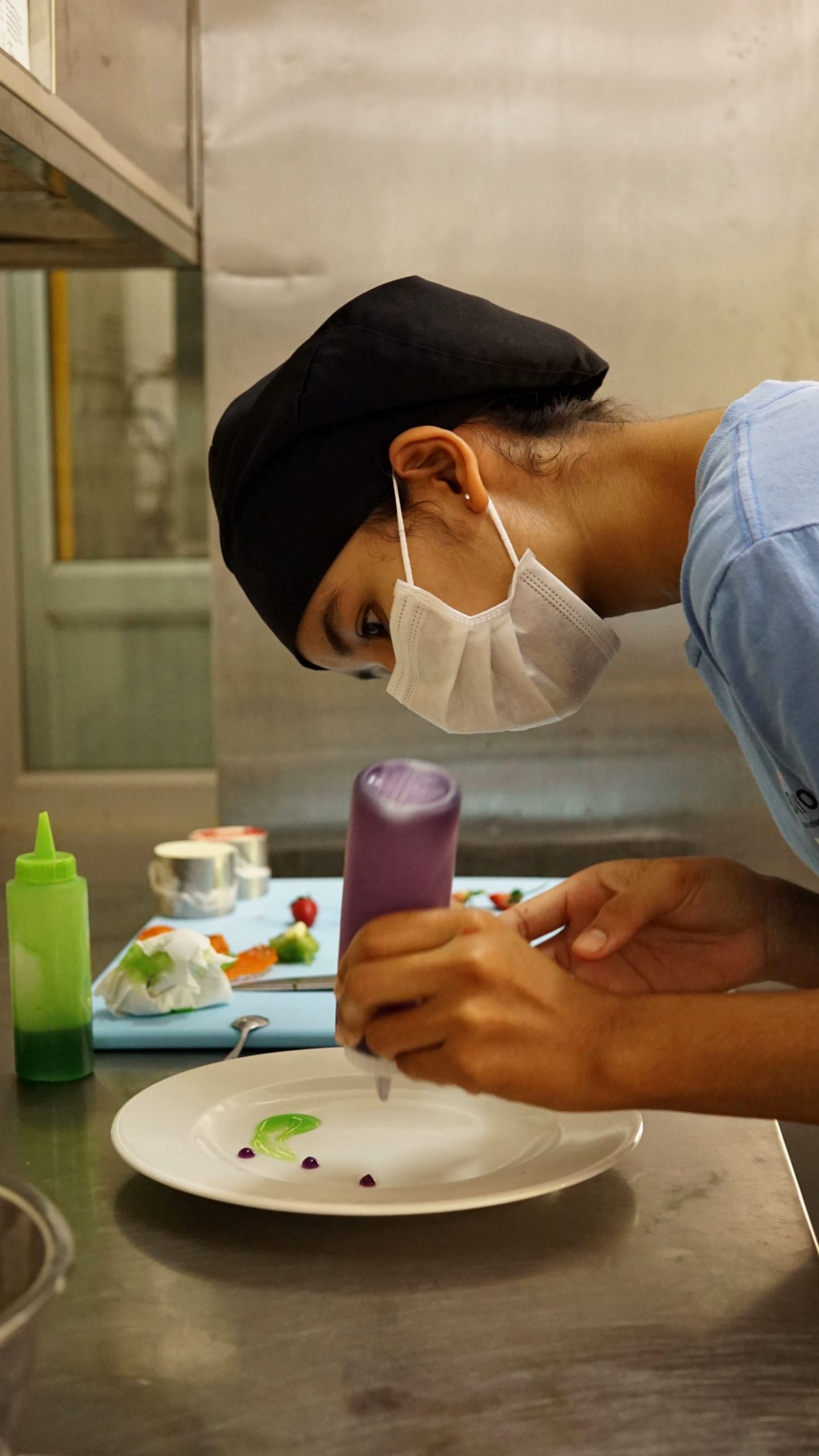
Etudiante de pâtisserie entrain de réaliser un dessert
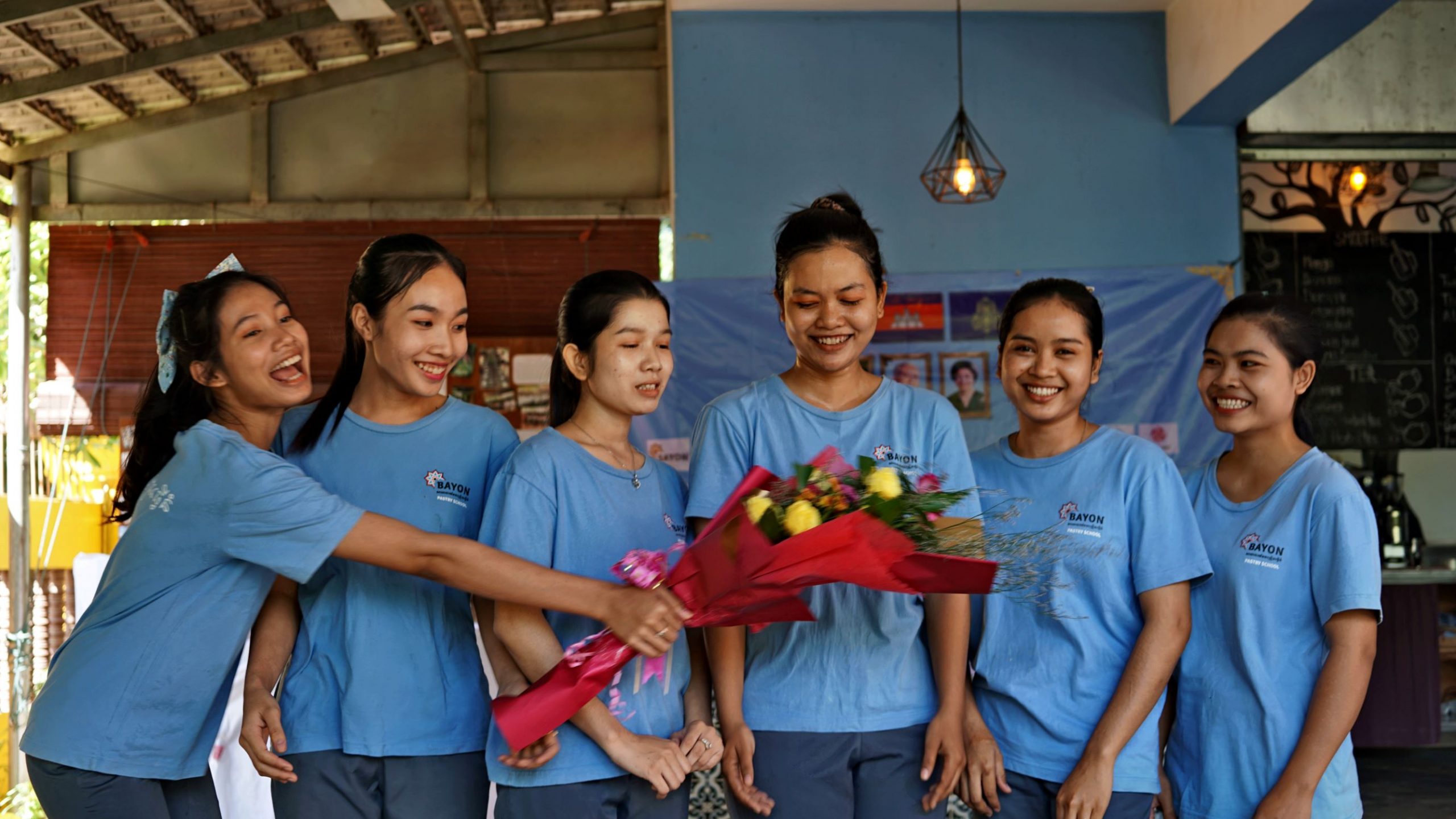
étudiantes posent avec un bouquet
Chef juge étudiantes de pâtisserie

The 7th intake

The students of the 7th class of the Bayon school will start on January 4, 2021. We have made a strategic choice to recruit only 15 of them so as to respect the rules of social distancing but also to avoid the risk of training students, for whom we may be unable to find work. The Cambodian government forecasts 20,000 tourists for the year 2021; this may be the glimmer of hope much needed by the tourist industry in Cambodia.

A year like no other at the Bayon School

A year like no other at the Bayon School

As the year 2020 comes to an end, so does the school year for our primary and bakery/pastry schools. It has been a complicated 12 months, during which our students and teams have been seriously challenged. We have had to adapt, reinvent ourselves and act quickly in the face of a crisis, the impact of which no one could have foreseen. Even though the situation is far from being “normal” again, we have come out of it stronger, enriched and eager to keep innovating in order to provide a better education for those in need.

Let’s look back at the actions and successes of our schools

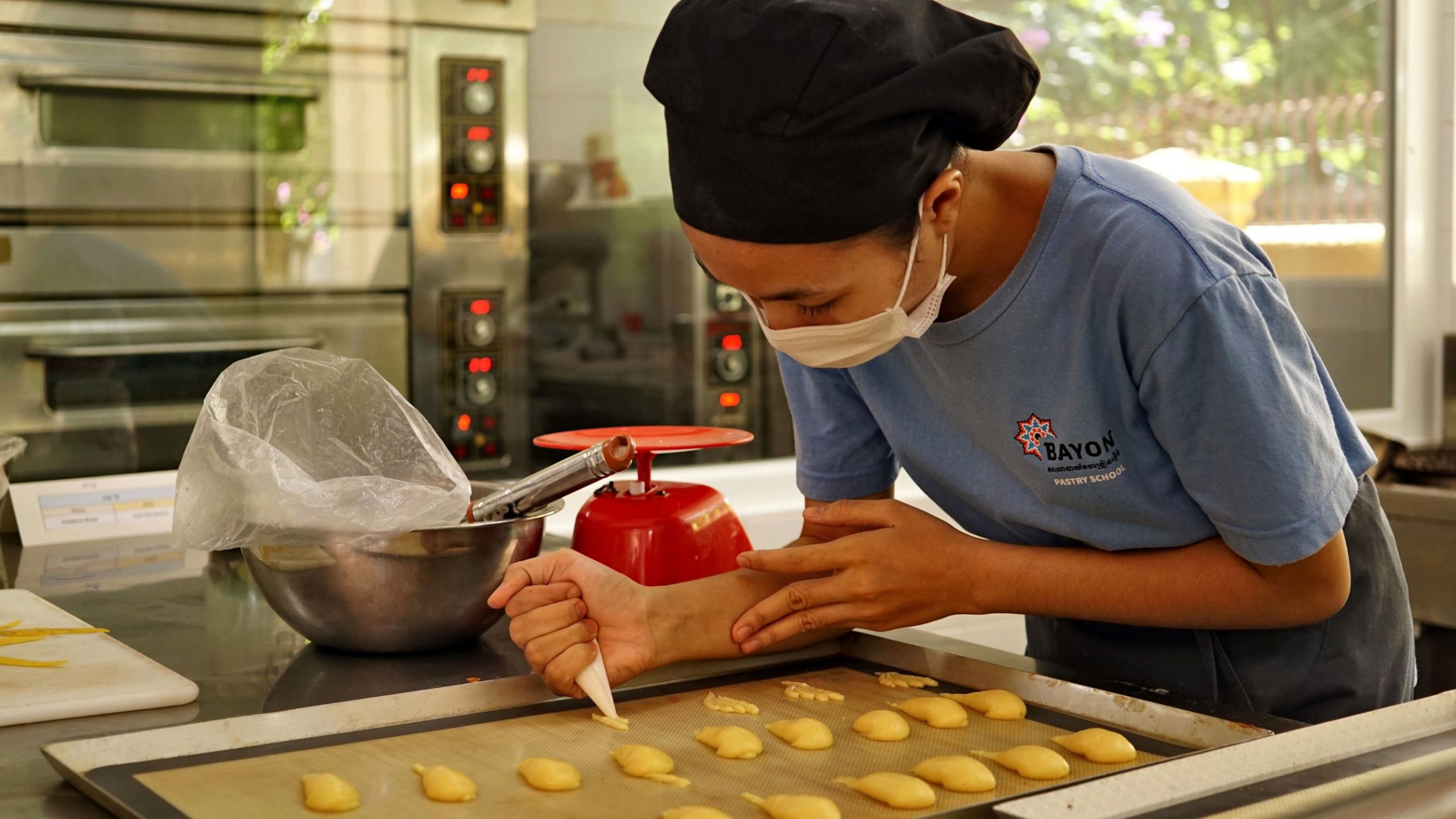
In September 2019, we welcome our 6th class of students at the Pastry School with 26 young girls; a number, which has been constantly rising since the opening of the school. The new laboratory intended to free up space and reinforce our bakery teaching is almost finished and we are delighted to be able to start the new year in optimal conditions to train more and better. In 2018/2019, we manage to self-finance almost 55% of the school’s costs, thanks to the Coffee Shop’s income, and we are doing our utmost to welcome tourists and visitors to do, if not just as well, even better. The hygiene teaching program is reviewed with a food safety specialist and English classes are reinforced with the launch of a partnership with the Australian Center for English.

pastry-student
des enfans mangent à la cantine

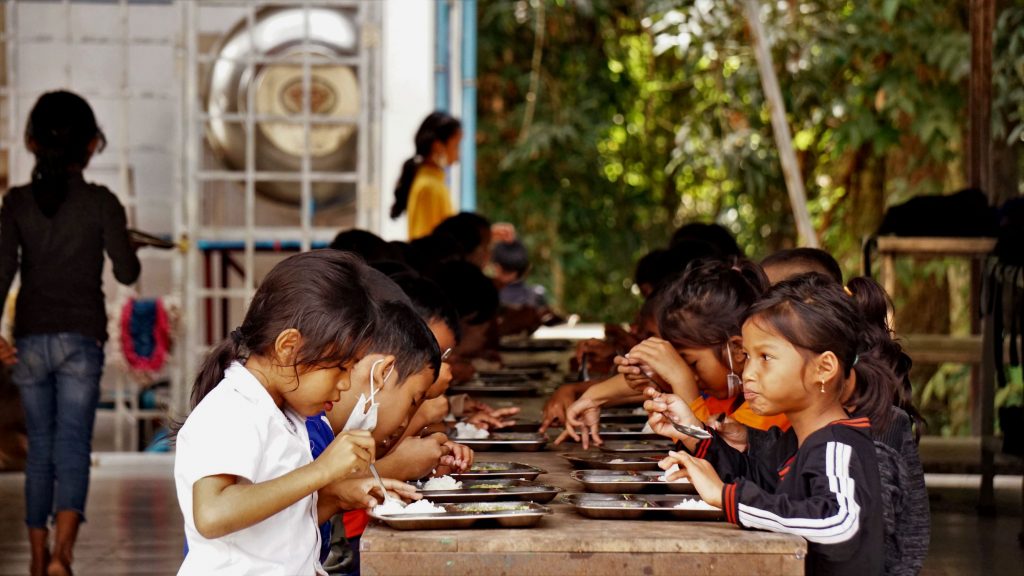
In October 2019, 232 students are enrolled in the Bayon primary school and 120 middle and high school students continue their studies, whilst being accompanied on a monthly basis by our teams with educational and social follow-up. The primary-aged children discover the new sit-down breakfast with a hot meal from 6:45 a.m. The art-culture-sport program is reinforced with traditional puppet classes and one and a half hours a week are dedicated to sports. In February, 30 pupils participate in the inter-school sports championship and win 2 medals; a very proud moment for all involved! Support classes for pupils with difficulties continue and the project for a building dedicated to small group teaching is on the road to completion.

In November 2019, the number of “farmer” families in the Bayon increases to 11, as three new families join the vegetable garden project. This project allows these women farmers to earn additional income and 90% of the vegetables bought for the canteen are now organic.

Cooperation with the association Pour un Sourire d’Enfant (For a Child’s Smile) kicks off and together we launch a major collaborative project to create a field for experimentation in agroecology. Projects such as planting fruit trees and medicinal plants, building above-ground cultivation tables, creating compost and installing an irrigation system mean that this land will become the home to our future agroecology school with its first 10 students in January 2021. At the same time, and in partnership with the NGO Vivre de sa Terre, the 10-month training of the future teachers starts and the team fine-tunes the curriculum.

Une agricultrice montre ses cultures

From December 2019, the families receive a visit from our medical and social teams to assess their sanitary conditions and medical needs. 156 families are interviewed and a major study is conducted to define an action plan to be implemented with our families.

Adapting to the Covid

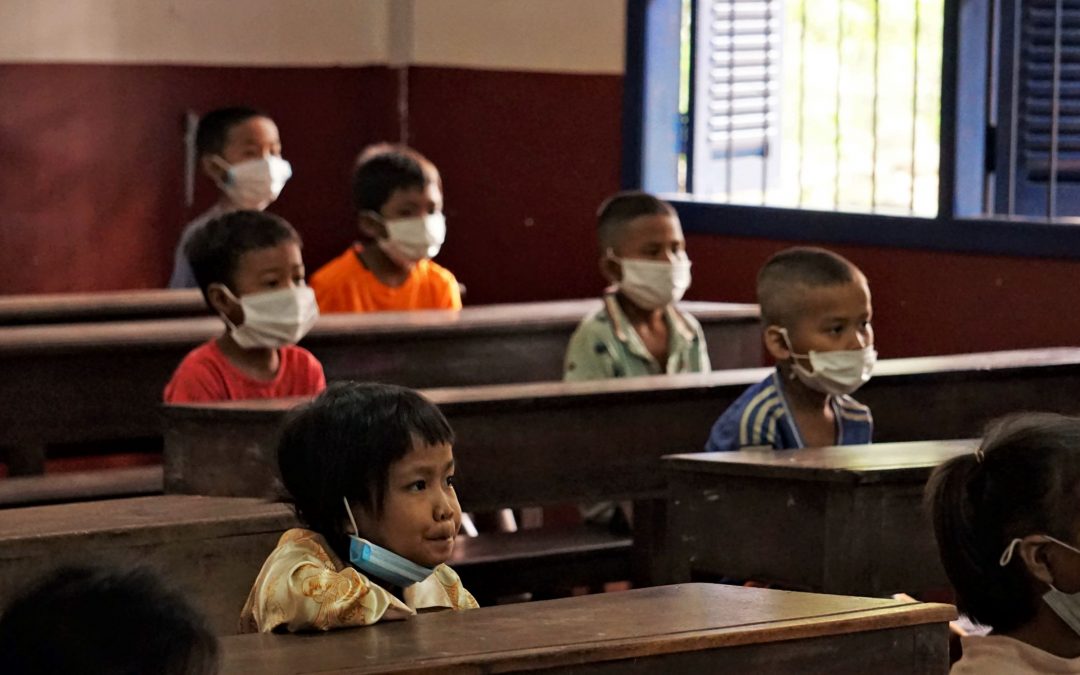
On March 9, 2020, all schools in the country close their doors and, by the end of March, the last repatriation planes send the last remaining tourists back home. Our students return to their families and our younger pupils are kept away from the school. Disheartened at the beginning, we have to react quickly to help our families face this crisis, not knowing how long it will last.

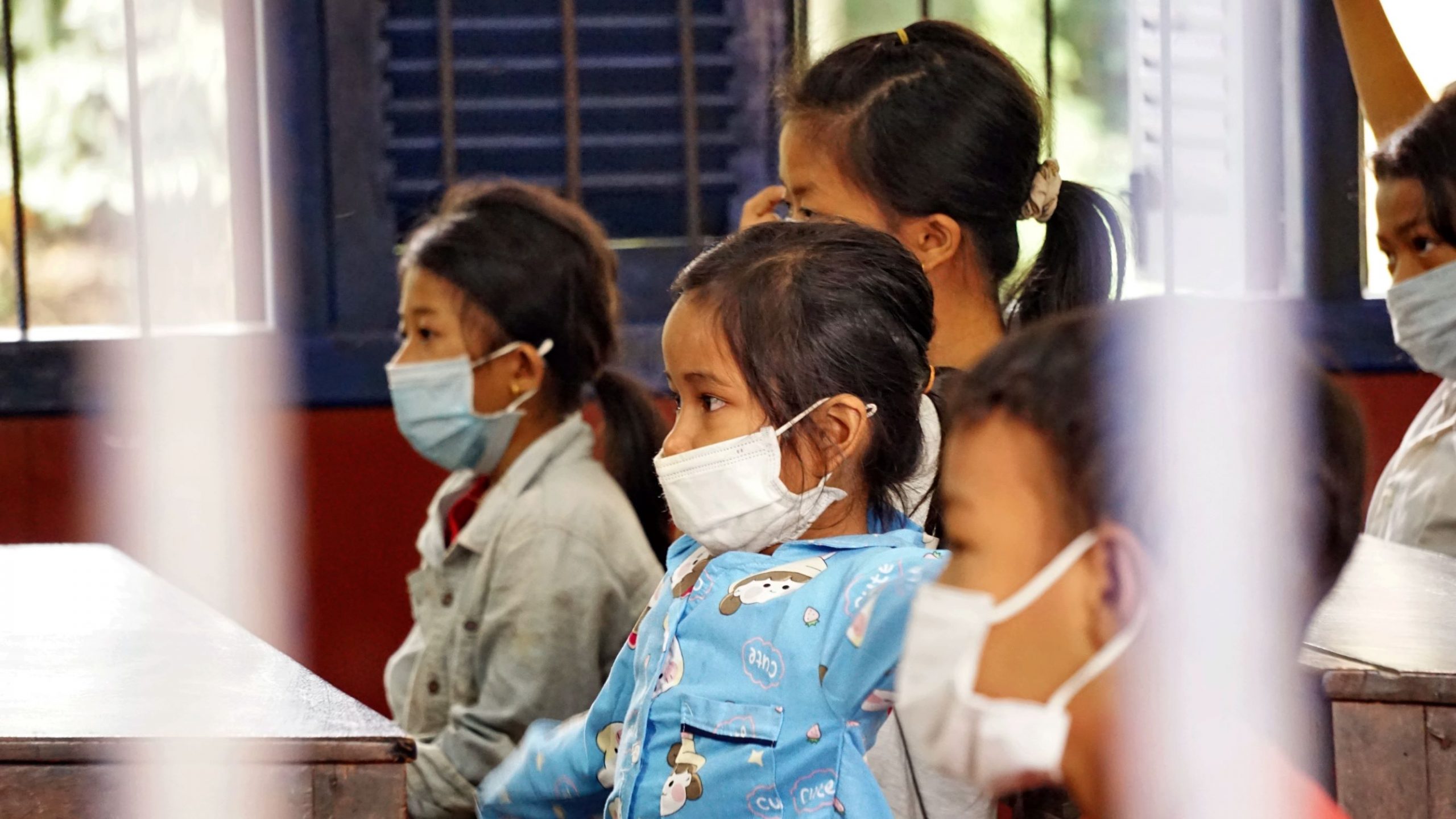
enfant porte un masque à l'école
des légumes et du riz sont distribués aux familles

All the vegetables produced by the farmers are bought by the NGO and distributed every week free of charge to the families of our pupils, who are no longer being fed morning and night at the canteen. Our social team visits the families at home to analyze the impact of COVID on them: those identified as being in great difficulty receive rice. Distance-learning and very small group-teaching starts in April and in July we receive a donation of smartphones to improve access to online courses for our pastry students. Our teams put in motion the different projects: redesigning the website, painting the walls of the Coffee Shop, studying the situation of our alumni pastry school students, launching a database to regroup all the social, medical and pedagogical information of the students, training for the farmers and precise monitoring of the quantities of vegetables, which just keep on increasing.

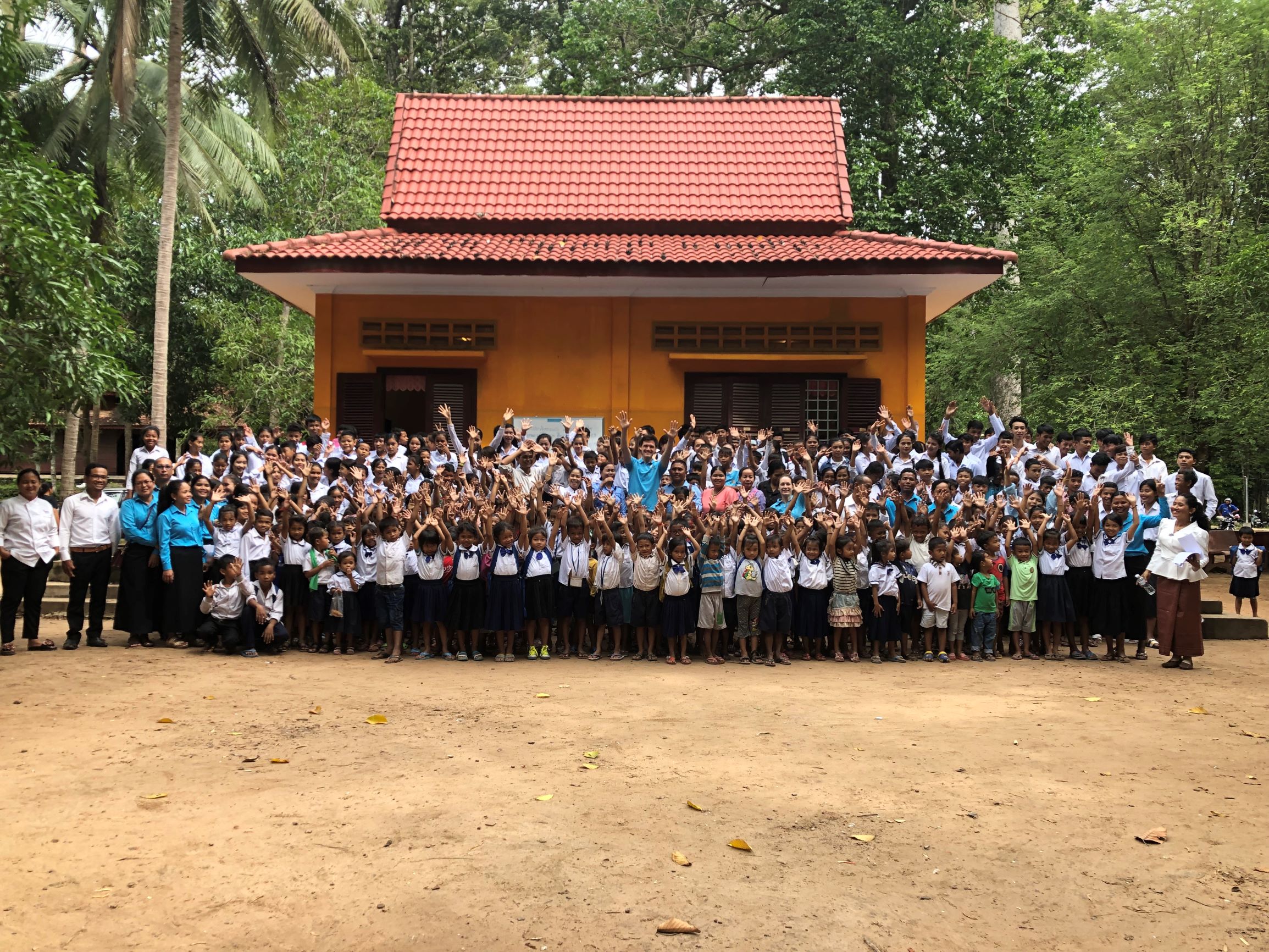
tous les enfants de l'école primaire

Bounce back and move forward

All of these actions have made it possible to accompany our families and maintain a pedagogical follow-up, avoiding, as a result, too much delay with the school programs. Some families returned temporarily to their home villages to work the land as they had lost their jobs. The Cambodian people are proving to be resilient and strong in the face of this crisis and we hope that economic and tourist activity can resume as soon as possible to recreate jobs for those who really need them.

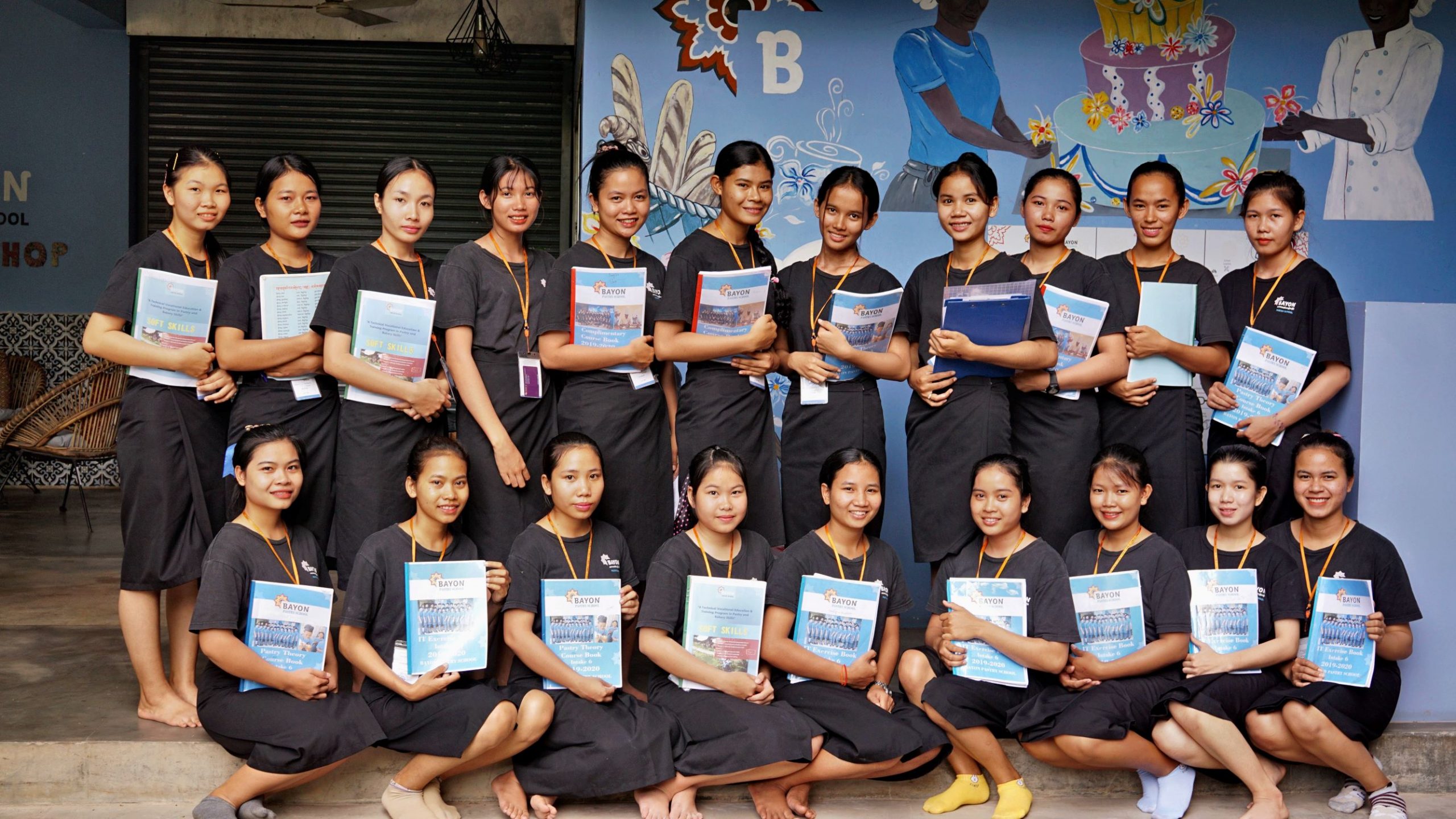
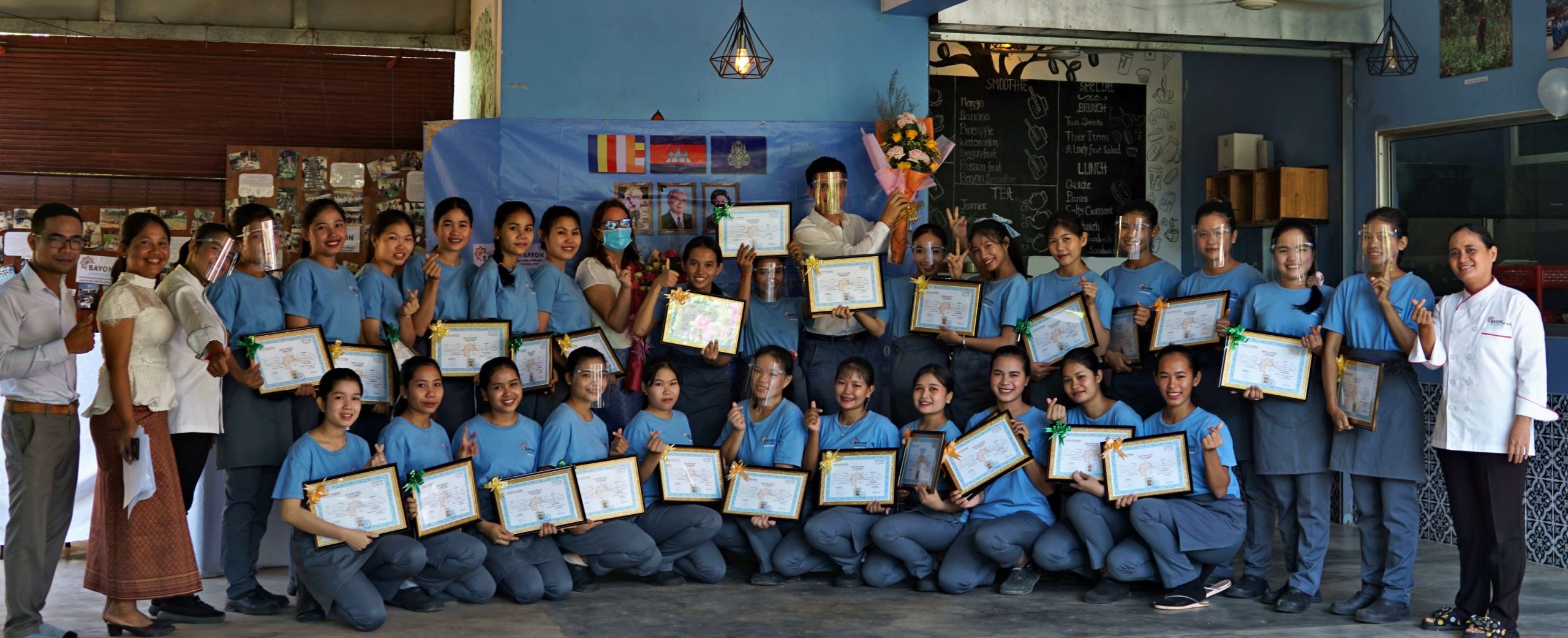
photo de groupe de la 6ème promotion
Secret Link